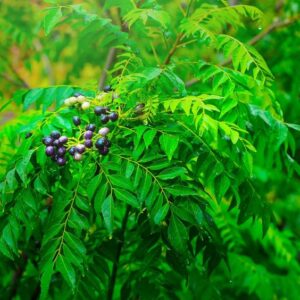
Curry Leaf of Curry Patta is a very common plant found in almost every home . Curry plant leaves are aromatic and are used in cooking to add flavors in the dishes .
Curry leaves have medicinal benefits also as they help in regulating cholesterol and sugar levels. This plant is sensitive and delicate , hence it requires careful attention and nurturing.
To have the proper growth , proper nutrients are needed to be fed. Similar to other leafy plants, curry plants highly depend on essential nutrients such as nitrogen, phosphorus and potassium (NPK), with a more emphasis on a higher proportion of nitrogen for optimal growth and leaf production.
So, through this article let’s explore a few different fertilizers and understand how they are beneficial for the curry patta plant.
Best Fertilizers for Curry Plant
Organic fertilizers for Curry Plant
In locations where air, water, and sunlight quality may not be optimal, supplementary organic fertilizers can provide the necessary nutrients for the curry leaf plant. Organic fertilizers with high nitrogen-phosphorus-potassium (NPK) content are particularly beneficial.
(i) Cow Dung Cake Liquid Fertilizer:

Cow dung cake liquid fertilizer is an excellent source of organic nutrients for curry leaf plants, especially during periods of suboptimal environmental conditions.
- Its high nitrogen content promotes lush foliage growth, enhancing the overall health of the plant. However, during extreme cold, it is best to avoid using cow dung liquid fertilizer.
Must read: |
(ii) Mustard Cake Liquid Fertilizer:

Mustard cake liquid fertilizer is another organic option rich in NPK content, particularly beneficial for curry leaf plants.
- It provides essential nutrients for healthy foliage development and overall plant vigor. However, during extreme hot, it is best to avoid using mustard cake fertilizer.
Must read: |
(iii) Neem Cake Fertilizer:
Before the onset of the monsoon season, applying neem cake fertilizer once to the curry leaf plant can provide additional benefits.
- Neem cake fertilizer not only enriches the soil with nutrients but also possesses natural pesticide properties, protecting the plant from pests and diseases.
Must read: |
(iv) Seaweed Fertilizer:

In the absence of cow dung fertilizer, seaweed fertilizer can be used alongside mustard cake fertilizer to nourish the curry leaf plant.
- Seaweed fertilizer contains a variety of essential nutrients, trace elements, and growth-promoting hormones, promoting healthy growth and development.
Must read: |
Regular Soil Maintenance:

To maintain optimal soil conditions for your curry leaf plant, it is crucial to regularly check the soil texture every two months.
- Loosen the soil around the plant and add compost (vermicompost or leaf compost or cow dung compost) to keep it soft and rich in nutrients. After adding compost, ensure to water the plant generously to facilitate nutrient absorption.
Use of Buttermilk to make Curry Plant Bushy

Buttermilk is an excellent tonic for promoting healthy and bushy foliage in curry plants.
- To use buttermilk effectively, mix one-fourth glass of buttermilk with one litre of water for an 8-inch pot, and water the soil with this mixture.
- Make sure the buttermilk is not too sour and is still suitable for drinking.
Curry plants belong to the citrus family, so they thrive in acidic soil conditions.
- After applying any fertilizer, wait for at least 10 days before giving this tonic or Epsom salt to the plant.
Must read: |
Conclusion:
By incorporating organic fertilizers such as cow dung cake, mustard cake, neem cake, and seaweed fertilizers, you can enhance the health, vigor, and flavor of your curry leaf plant, ultimately enriching your culinary experience.
Follow our Social media channel:
2. Voice of Plant Facebook Page
3. Instagram Voice of Plant Channel
Happy Gardening!
Make Your Own Garden!
FAQs
- Name any two organic fertilizers used to make curry plants bushy and healthy?
Ans. Cow dung cake liquid fertilizer and Mustard cake liquid fertilizer.
2. What all nutrients are required by the curry plant to grow healthy?
Ans. Curry patta requires nitrogen, phosphorus and potassium abundantly to grow healthy.
3. Does curry patta have medicinal use also?
Ans. Yes, it is used in making medicine and cosmetic products also.
4. What does NPK stand for?
Ans. NPK is N for nitrogen, P for phosphorus and K for potassium.