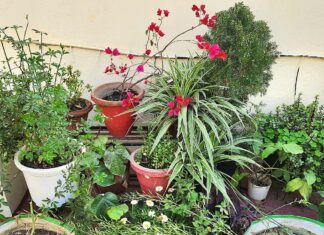
Winter brings fresh growth to the garden—vegetables, flowers, fruits bloom, and everything looks fresh and green. But as winter approaches, plants also become more delicate and more susceptible to disease.
They usually stay healthy in the nursery, but once you bring them home, the sudden change in environment and temperature often weakens them. The lack of strong sunlight and poor soil conditions in winter can further stress plants.

Watch this detailed video on how to make soil mixtire for winter plants for complete guidance:
Why Winter Plants Need a Special Soil Mixture
Plants receive very little sunlight during winter, which makes them weak. Furthermore, the soil doesn’t dry out for long, so we can’t apply fertilizer frequently. In such conditions, using the wrong soil mix can easily cause fungal infections, slow growth, and poor flowering. This is why, preparing a good soil mixture is essential for winter plants.
How to prepare Soil Mixture for Winter plants
So, I’ll guide you how to make a perfect soil mix for winter plants. What ingredients should you add while making it? What adjustments can you make to create the best soil mix for flowering plants, succulents, and vegetable plants? Let’s understand everything step by step.
1. Use Clean Local Soil
First, gather any available soil—red soil, black soil, garden soil, unused soil, or soil from your surroundings. We will transform this ordinary or “waste” soil into a nutrient-rich and fertile winter mix.
- Collect all the soil in a large grow bag or wide container.
- Remove any plastic pieces, insects, snails, fungus-infested parts, roots, and any other debris.
2. Sunlight Exposure – Dry the Soil for 2 Days
Next, dry the soil in the sun for two days.
- Winter sunlight is mild, so it won’t damage nutrients, but it will help remove excess moisture, insects, and fungus.
- Keep turning the soil so that every part gets good exposure to the sun.
3. Add Cinnamon Powder (Organic Fungicide)
By the third day, the soil becomes dry enough for the next step. Add cinnamon powder—for 20 kg soil, add around 200 g of cinnamon.
- Cinnamon is an excellent organic fungicide, it not only prevents fungal attacks but also eliminates existing fungus.
- It strengthens the roots and even works as a natural pesticide.
- Mix thoroughly and check again for insects.
4. Add Neem Cake Powder (If You See Worms)
If you still see insects or pests in the soil, apply neem cake powder. If you don’t see any, neem cake powder isn’t necessary.

5. Add Turmeric Powder for Immunity Boost
Next, add turmeric powder. For 20 kg of soil, add about 100 g of turmeric—half the amount of cinnamon.
- Turmeric helps repel ants and boosts plant immunity.When turmeric is added in the right amount, plants grow stronger.
- However, always use it with caution; adding too much can burn the plant.
6. Add Vermicompost or any good Compost

Now, add compost — any good compost like vermicompost works well. Add about one-third to half the quantity of the soil; for 20 kg soil, add around 7–8 kg of compost.
- Compost enriches the soil, prevents it from becoming hard or compacted, improves moisture retention, and provides essential nutrients through beneficial fungi and bacteria.
- Make sure to maintain the proportions, as adding too much compost can cause excessive moisture in the soil, which can lead to root rot and stem rot near the soil.
7. Add Sand for Better Drainage
Next, add sand to the mixture. For 20 kg of soil, add about 500 g of sand.
- If needed, you can increase the amount slightly later, but avoid adding too much in the beginning.
- Excess sand causes water to accumulate around the roots during watering, which is harmful for plants.
- Use river sand, commonly available near construction sites.
- Sand helps make the soil loose and well-drained, ensuring that water does not stay in the soil for too long.
- Plants thrive better in this airy, sandy soil structure.
8. Add Wood Ash (Immunity Booster)
Now, add wood ash — the ash collected from burnt wood. For 20 kg of soil, add around 500 gm of ash.
- Wood ash helps prevent fungal and insect attacks naturally.
- Additionally, when wood ash is added, it has been observed that plant leaves grow healthier—greener, fuller and more vibrant.
9. Add Seaweed Granules for Flowering & Fruiting
In flowering and fruiting plants, a lack of micronutrients can cause buds to stop blooming, fruits and vegetables to remain small, and leaves to fall prematurely.
- Seaweed granules provide essential micronutrients like zinc, magnesium, and phosphorus.
- When added to the soil, they support continuous flowering and fruiting.
- For 20 kg of soil, about 500 gm of seaweed granules is sufficient.
10. Use Seaweed Liquid Only After Planting
If seaweed granules are not available, you can use seaweed liquid instead. However, liquid seaweed should be given after 15 days of planting, not immediately. Always dilute it properly in water before applying, as it is much more concentrated.
Mix Everything Properly
Now mix all the ingredients thoroughly so that everything blends evenly.

How to Check If Your Soil Mix Is Perfect
After mixing, check whether the soil needs a little more sand.
- Take some soil in your hand and try to bind it — if it sticks together too firmly, add a bit more sand to improve looseness and drainage.
Check for –
- soil mixture should be loose,
- no bad smell in the soil mix,
- it should not form a hard tight ball,
- it should drain water in 15 – 20 seconds.
This is the basic soil mixture suitable for all winter plants. Now let’s further break it down and see what additional modifications are needed for different categories of plants.
Soil Mixture Modifications for Different Plants
Soil Mix For Winter Flowering Plants
For flowering plants, you can add tea leaves to the prepared soil mixture.
- In 2 kg of soil, mix about 40 grams of tea leaves. This helps boost flowering and overall plant health.
Soil Mix For Winter Vegetables & Fruiting
- For vegetable plants – you can increase compost slightly more in the soil mixture but not more than 40%.
Soil Mix For Succulents
- For succuelents – you can increase add sand for better drainage.
How to Store Winter Soil Mixture

You can store this soil mixture in large bags (grow bags or plastic container) and use it whenever needed. With this well-prepared mix, your garden will grow healthier and more vibrant.
So make your winter gardening experience happier, richer and full of life!
FAQs on Soil Mixture for Winter Plants
1. What is the role of a soil mixture for winter plants?
Ans: A good soil mixture keeps plants healthy and thriving throughout the winter. It improves drainage, prevents fungal infections, and provides nutrients to the plants.
2. Should I add sand to the winter potting mix?
Ans: Yes, adding sand to a soil mixture makes it loose and well-draining. Sand prevents water from pooling during winter when the soil remains wet for extended periods.
3. Can I add cinnamon powder to the soil mixture?
Ans: Yes. Cinnamon powder is an organic pesticide that prevents fungal infections in the soil and strengthens plant roots.
4. What are the common signs of a good soil mixture for winter plants?
Ans: A good soil mix for winter should be:
- loose,
- airy,
- well-draining,
- free of insects, pests, or fungus.
5. Can I store the prepared soil mixture for 2 months?
Ans: Yes, absolutely. You can easily store the soil mixture in a grow bag or container in a cool, dry place for up to 2 to 3 months. Keep out of reach of rain and moisture, as this can cause insect or fungus infestation.
Happy Gardening!