Epsom salt also known as magnesium sulphate helps in treating constipation, relieves muscular pain and also helps in relaxing muscles. Additionally, it is also used widely in gardening since ages. Still, a lot of people get confused with it.
- Many of us are still not aware how to use it?
- Whether it should be applied to indoor plants or not ?
- If it can be applied, how should it be applied ?
Through this article we would widen our knowledge about the usage of Epsom salt for indoor plants, we will explore how being a natural compound enhances the growth and overall health of the plants.
Table of Contents
ToggleBenefits of Epsom Salt for Indoor plants
- Improves nutrients deficiency.
- Accelerates the growth of the plant.
- Promote the growth of healthier and more greener leaves.
- Enhance the production of flowers and fruits.
What is Epsom Salt?
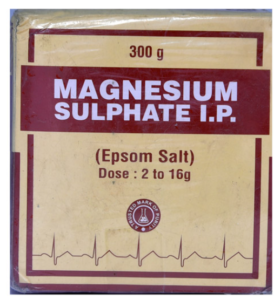
Epsom salt is a crystalline substance comprised of magnesium, sulfur, and oxygen. It derives its name from the town of Epsom in Surrey, England, where it was first discovered in natural springs. Its molecular structure enables it to easily dissolve in water, making it readily available for plant uptake.
Composition of Epsom Salt
Magnesium and sulfur are essential nutrients for plant growth.
- Magnesium plays a crucial role in chlorophyll production,photosynthesis, and the activation of enzymes involved in plant metabolism.
- Sulfur is a component of amino acids and vitamins essential for plant development.
How Does Epsom Salt Benefit Indoor Plants?

1. Nutrient Absorption Enhancement:
- Epsom salt helps improve the uptake of essential nutrients such as nitrogen, phosphorus, and potassium, promoting vigorous growth and lush foliage.
2. Boost their growth
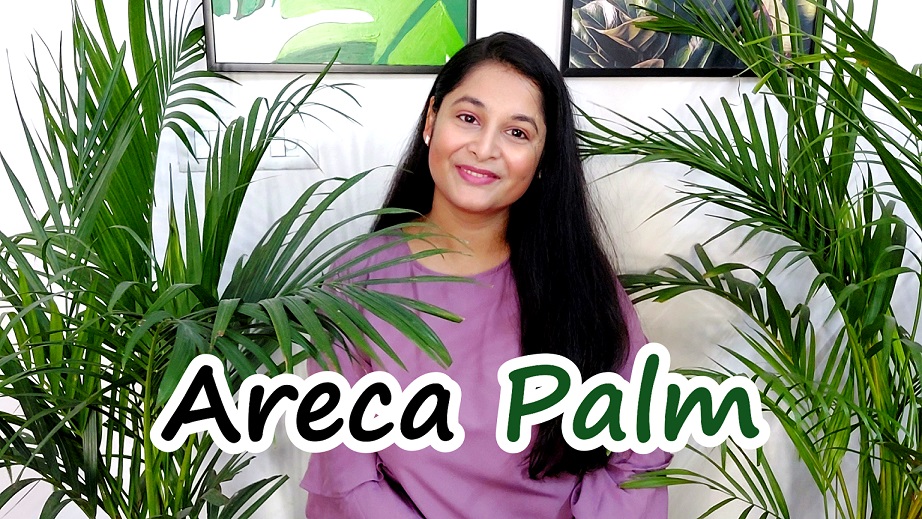
- Epsom salt can promote lush foliage and vibrant green color in indoor foliage plants like ferns and philodendrons, ZZ plant, Aglaonema, Syngonium, Areca Palm, Spider plant, Pothos (Money plant), etc.
How to Apply Epsom Salt to Indoor Plants

There are two methods to provide Epsom Salt to your plants:
1. First Method:
- Dissolve 1 tablespoon of Epsom Salt in 1 liter of water. Then, spray this solution on the plant leaves. Through this method, Epsom Salt will enter the plant via the leaf pores.
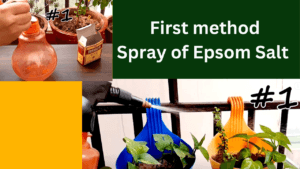
2. Second Method:
- Loosen the soil around the plant and dig a little. Place Epsom Salt into the soil. For larger pots, use 1 tablespoon, and for smaller pots, use ½ tablespoon of Epsom Salt. Cover it with soil and mix thoroughly. Then, water the plant.

Note
- After this procedure, wait for 8-10 days as it works slowly and gradually. It is not a magical solution that yields instant results.
- So, after applying Epsom Salt for the first time, repeat the same process after 8-10 days.
- You will notice visible changes in your plant’s growth.
Precautions and Considerations
1. Dosage:
- Excess use of Epsom Salt, like with anything, can be harmful. Epsom Salt is not a fertilizer, so it should not be used repeatedly on plants.
- As excessive application can lead to magnesium toxicity.
2. Frequency of Application:
- Apply Epsom salt to indoor plants every 6-8 weeks during the growing season.
3. Signs of Overuse:
- Monitor plants for signs of yellowing leaves or stunted growth, which may indicate overuse of Epsom salt.
Conclusion
In conclusion, Epsom salt offers numerous benefits for indoor plants, ranging from improved nutrient absorption to pest deterrence. When used judiciously and in conjunction with proper plant care practices, it can contribute to the health and vitality of indoor greenery.
FAQs on Epsom Salt Good for Indoor Plants?
- What is Epsom Salt?
Ans. Epsom Salt is a natural compound also known as magnesium sulphate, it is not a normal rock or sendha salt.
2. Can we give Epsom Salt daily to the plants?
Ans. No, it should not be given daily as it can lead to overdose of magnesium in the plants.
3. In which season Epsom Salt should be given to the plants?
Ans. It should be given during spring , summer and the growing period of the plant.
Happy Gardening!