How To Prune A Curry Leaf Plant To Make It Bushy
Pruning means cutting the old leaves, stems, branches of the plant to promote the new growth in the plant. When pruning is done, the plant grows new branches, stems and leaves at the point where cuts were made. Many people fear pruning. They think that their plant would get shorter or smaller in size as they are not aware of the fact that regular pruning helps in enhancing the growth of the plant. Moreover, pruning also gives definite shapes to the plants.
Pruning is an art , it should be done carefully considering the right season, right time or existing condition of the plant. Many people prune their plants without the right knowledge or technique, which often leads to plant damage. So, it is very important to have the complete knowledge of pruning technique before doing it.
In this article, we’ll explore the correct way to prune curry patta plants. Once you go through it, pruning will become much easier, helping you make your plant bushier and healthier.
How To Prune A Curry Leaf Plant To Make It Bushy
Let’s understand the benefits of pruning Curry Leaf Plant:
1. Encourages new growth:

Firstly, it encourages new growth by stimulating the emergence of shoots and branches.
- Removing the dominant tip prompts the plant to produce side shoots, resulting in a fuller, bushier appearance.
2. Increases leaf production
Moreover, pruning facilitates increased leaf production.
- Each branch yields fresh leaflets, enhancing the overall foliage density.
3. Controls Size
Especially important in non-tropical climates where plants are often container-grown, regular pruning prevents overgrowth.
4. Promotes Plant Health
Removing dead stems and leaves improves air circulation, reducing the risk of disease and pest infestation.
- Eliminating crossed branches prevents damage and potential entry points for pathogens.
What is the best time to prune a curry leaf plant?

Choosing the right time to prune is crucial. Pruning a curry leaf plant is best done during its active growth phases in spring, summer, and early fall.
Note:
- Avoid pruning your curry leaf plant as it transitions into colder weather during late fall and throughout the winter months.
- During this period, the plant enters a dormancy phase, which can potentially harm it and lead to damage.
How to Prune Curry Leaf Plant To Make It Bushy
Here’s a structured approach to pruning:
1.Pruning Techniques

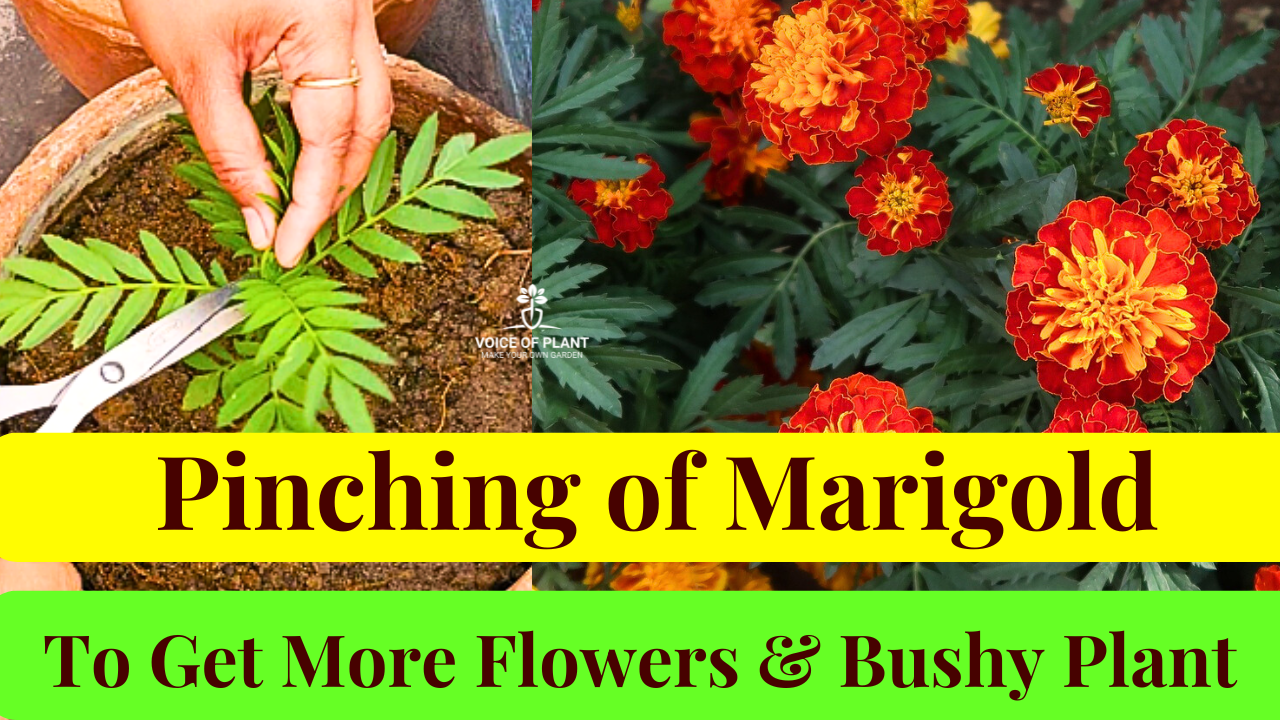
Curry leaf plant primarily grows from its tips, so pruning or plucking from the tip stimulates the emergence of 2-3 new shoots, leading to the development of new branches and leaves.
2. Remove Dead & Yellow Leaves:
Begin by pruning off any dried, dull, or yellow leaves from the stem to maintain plant health.
3. Identify the branches you want to prune

Look for branches that are growing too long and sparse or those that are crossing each other. These are the branches that you will want to prune to encourage bushier growth.
4. Plucking leaves from the bottom of the plant

- When harvesting leaves for use, prioritize plucking leaves from the bottom of the plant. Leaves at the top are still in the growth phase and should be allowed to mature.
5. Remove entire branches when harvesting leaves for use
Additionally, when you are harvesting leaves for use, it is advisable to remove entire branches rather than just individual leaves.
6. Remove any flowers

If your curry leaf plant has started to flower, it’s best to remove these flowers.
- While the flowers are beautiful, they divert energy away from leaf production, which is what you want to encourage for a bushy plant.
7. Prune strategically
Use sharp, clean pruning shears to make precise cuts.
- Avoid tearing or ripping the plant tissue as this can introduce pathogens and cause unnecessary stress to the plant.
Important Note:
If your plant is relatively new, around 6 or 3 months old, it’s best to stick to light pruning.
- From February to October, regular light pruning can be performed to encourage new branch growth, but avoid harsh pruning.
- After new stems emerge, wait until they reach a length of 5-6 inches before further pruning.
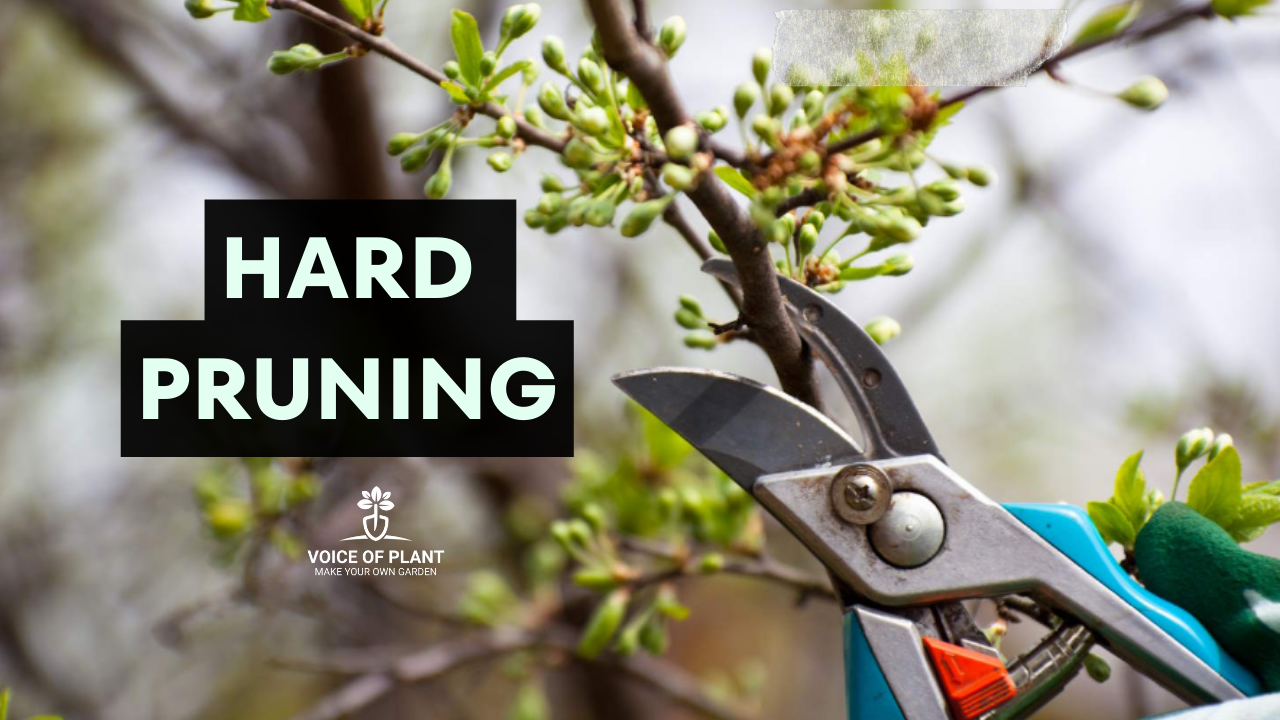
Hard pruning of Curry Leaf Plant
For plants that are one or two years old, hard pruning can be quite beneficial.
- This type of pruning helps maintain the plant’s shape and promotes healthier growth overall.
Note:
- After hard pruning, add vermicompost into the soil. Avoid using heavy fertilizers as the plants are currently leafless.
Important note:
- Perform hard pruning of your plant only in the evening and keep it shaded for at least 7 days until new leaves emerge.
- This will assist the plant in adapting to its new environment more effectively.
Maintain a regular pruning schedule
Pruning your curry leaf plant should be an ongoing process rather than a one-time event.
- Aim to prune your plant every few weeks during the growing season to maintain its shape and encourage healthy growth.
Provide proper care after pruning
After pruning, make sure to water your curry leaf plant adequately and provide it with sufficient sunlight.
- This will help it recover from the pruning process and stimulate new growth.
Also, read: Best Fertilizers for Curry Leaf Plant for Healthy Growth
In conclusion, pruning is an essential part of caring for a curry leaf plant and is necessary for maintaining its health and promoting bushy growth. By following these steps and incorporating regular pruning into your plant care routine, you can ensure that your curry leaf plant thrives and produces an abundance of flavorful leaves for all your culinary adventures.
Don’t be afraid to trim your curry leaf plant – it’s the key to a flourishing and bushy plant!
Happy Gardening!
Follow our Social media channel:
1. Voice of Plant – YouTube Channel
2. Voice of Plant Facebook Page
3. Instagram Voice of Plant Channel
Happy gardening!!
FAQs
- When should we prune the curry patta plant?
Ans. Curry patta plant can be pruned during its active growing season in spring and summers. Avoid pruning during winters.
2. At what time hard pruning of the curry patta plant should be done?
Ans. Hard pruning of the plant should be done in the evening.
3.Which tools are used for pruning?
Ans. Sharp pruning scissors or shears can be used for pruning.
4.Does pruning promote the growth of the plant?
Ans. Yes, pruning promotes the growth of the new leaves, new stems and branches. Hence, overall growth of the plant gets enhanced.