


How to Care Plants in Winter Season
Taking care of plants during the winter season is crucial for their well-being. Just as humans adapt to changes in weather, plants also need adjustments to their care routine to thrive during the colder months. This is especially true for summer plants, which require special attention and nurturing in winter to prevent deterioration.


Achieving remarkable results is possible with minor tweaks in plant care. By making subtle adjustments in response to current weather conditions, you can ensure the sustainability of your plants. Let’s explore the winter care journey of plants through the following 8 tips.
- Watering tips
- Protect plants from cold
- Accept changes in plants
- Avoid pruning and repoting of plants
- Do not Disturb Summer Plants in Winters
- Protect plants from pest attack
- How and When to Give Fertilizer
- Old plants are strong plants
How to Care Plants in Winter Season
1. Watering tips
In winter, plants require less water compared to summer, but it is crucial not to neglect their hydration needs.
Unlike in summer, when we typically water when the topsoil is dry, in winter, wait until the soil is dry down to the roots before watering. Allow the top layer to dry for 4-5 days before providing water.


When watering in winter, avoid using extremely cold water as it can harm the plants.
- Opt for lukewarm water for a more plant-friendly approach. Thoroughly assess the soil’s moisture content; refrain from watering if it still retains moisture, and water adequately if the soil is completely dry, allowing water to drain from the pot’s bottom hole.
- Maintain plant cleanliness by using lukewarm water for spraying when necessary, applying the spray to leaves and flowers to keep them clean and healthy.
Click here to read: How to water plants?….
2. Protect plants from cold
It is crucial to protect plants from harsh, cold waves to prevent their demise. As winter approaches, typically around October to November, consider:


- Relocating summer plants indoors.
- Placing them under protective shade.
- Additionally, cover them with a protective sheet for added insulation.
4. Accepting visible changes in plants during winters
In winter, summer plants inevitably experience stress, leading to visible changes that should be acknowledged and accepted to a certain extent. These changes may include:

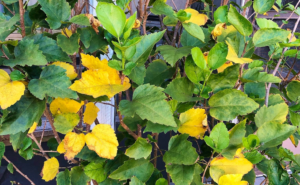
- Reduction in the size of leaves.
- Survival mode with minimal or no growth.
- Development of leggy stems.
- Yellowing or browning of leaves.
Admit that these changes are temporary, and plants generally recover when the weather aligns with their specific requirements.
- Embrace positive changes, such as the blossoming of flowers and the growth of winter vegetables like carrots and radishes.
- Cherish these transformations with a positive outlook and appreciation for the natural cycles.
5. Do not Disturb Summer Plants in Winters
During winter, when summer plants experience stress, it is advisable to refrain from intensifying their disturbance by avoiding certain practices stated below.


- Avoid normal pruning,
- Avoid hard pruning,
- Root pruning should also be neglected,
- Repotting is not favourable at this time,
- Pinching is also not recommendable,
- No experiment should be performed with the plant at this time.
When the plant is healthy and in its growing stage at that time all the experiments and treatment can be performed with the plant but not when it is already under stress.
(i) Avoid using pruners and scissors on summer plants: Dry leaves and mature flowers of plants like tulsi which can be removed from hands, can be removed but avoid using pruners and scissors on summer plants.


(ii) Avoid Har Pruning of winter plants: Pruning and repotting of winter plants can be done during winters on the day when the temperature is little warm and favourable but hard pruning of winter plants should not be practiced at this time.
Click here to read: How to do Pruning of Plants…
6. Protection From Pest Attack
While the likelihood of pest attacks during winter is minimal, remain vigilant, as plants are already under stress.
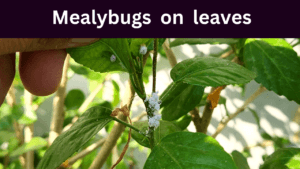

- If any signs of pest infestation are detected, particularly mealybugs or aphids, take immediate action.
- Initiate a neem oil treatment by thoroughly cleaning the affected plant with water and then spraying it with a neem oil solution.
- This prompt response is essential to prevent pests from increasing the plant’s stress, ensuring its survival during the winter months.
7. Fertilizer Requirements
Summer plants exhibit minimal to zero growth during winter, being under stress.
Refrain from applying heavy feeder fertilizers during the winter season.
Exceptions can be made for mustard cake and groundnut cake fertilizers.
How and when to give mustard cake and groundnut cake fertilizers
(i) Thorough dilution with warm water : When using these fertilizers, ensure thorough dilution with warm water before application.

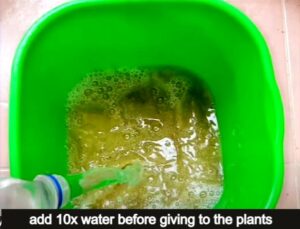
(ii) Give at intervals of approximately 50-60 days: Feed the plant with these fertilizers at intervals of approximately 50-60 days during the winter.
Note:
- Mustard cake and groundnut cake fertilizers possess warming properties, regulating soil temperature and assisting the plant in maintaining warmth.
- It is important to note that these fertilizers do not stimulate plant growth during the winter months.
Click to read: How to make Mustard Cake Liquid Fertilizers..
8. Mature Plants are Strong Plants
Mature plants that have been nourished over the years experience less stress and endure winter conditions well. Conversely, newly acquired or recently planted plants, especially those introduced 4-5 months ago, are more susceptible to stress.
Robust plants exhibit a faster recovery pace compared to newly established ones. However, with time, these plants will gradually recover.
It is important to note that as the next season arrives, all summer plants have the inherent ability to recover on their own. There is no need to worry about winter gardening; instead, embrace and appreciate the unique aspects of the season.
Follow our Social media channel:
1. Voice of Plant – YouTube Channel
2. Voice of Plant Facebook Page
3. Instagram Voice of Plant Channel
Happy gardening!
Happy Gardening !