


Understanding the objective of Pruning
An Important Gardening Activity
Just as plants need fertilizer and water from time to time, pruning is also necessary to ensure their health and vitality. Pruning involves selectively removing parts of a plant such as branches, buds, or roots to promote growth, improve structure, and enhance overall health.
The timing of pruning depends on the specific plant species and its growth cycle. Generally, the best time for pruning is during the dormant season, typically in late winter or early spring before new growth begins. However, some plants may require pruning at different times of the year to achieve specific goals.
There are so many reasons for the pruning and it depends on different parts of the plants. In this article, we will know why, when, and how we should do pruning of different parts of plants. Also, we will discuss some of the most commonly asked questions on pruning which are as follows;
1. What is the pruning of the plants?
2. What is the right time to do the pruning of the plants?
3. Why do we need to do the pruning of the plants?
4. What are the right techniques to do the pruning?
What is Pruning? 

When we cut the leaves, stems, branches, roots, flowers, or any part of the plant to give it a shape and for the growth of the plant, that process is called pruning.
- It is the process of selectively removing parts of plants to control plant growth and development in a particular pattern.
- Pruning is one of the main contributing factors to keeping garden plants healthy, and beautiful and producing more vegetables, fruits, and flowers.
Purpose of pruning of plants
1. Sunlight Access:
- Pruning creates space within the plant canopy, allowing sunlight to penetrate deeper and reach the lower leaves and roots, promoting overall photosynthesis and plant health.
2. Strength and Structure:
- By selectively removing weak, damaged, or overcrowded branches, pruning strengthens the plant’s structure, reducing the risk of breakage and promoting better air circulation.
3. Aesthetic Appeal:
- Pruning enhances the visual appeal of plants by maintaining their shape, removing unsightly or overgrown parts, and promoting symmetry and balance in their appearance.
4. Fruit Production:
- Pruning stimulates the growth of new fruit-bearing branches and encourages the development of larger, healthier fruits by redirecting the plant’s energy towards fruit production.
5. Increased Yield:
- Proper pruning techniques can increase the yield of vegetables, fruits, and flowers by optimizing the plant’s resources and maximizing the production of desirable parts.
Methods of pruning in plants
Before embarking on pruning, a thorough inspection of the plant is crucial to determine which parts need attention and where cuts should be made. Careful consideration must be given to avoid causing harm to the plant.
Here are some important methods of pruning in plants:
1. Pruning of leaves

(i) When leaves start turning yellow or brown:
- It is essential to prune leaves when they start turning yellow or brown. This action should be taken promptly to maintain the overall health of the plant.
- Removing these diseased or dying leaves prevents the spread of infection and redirects the plant’s resources towards healthier growth.
(ii) In case of infection:
- If any leaves show signs of infection, such as discoloration, spots, or mold, immediate pruning is necessary.
- This prevents the spread of disease to other parts of the plant and promotes faster recovery.
(iii) Remove bottom leaves:
- Pruning the bottom leaves of the plant is beneficial for several reasons. These lower leaves often retain moisture, creating a favorable environment for pests and fungal diseases.
- Additionally, since these leaves receive less sunlight, they contribute less to the photosynthesis process.
- By removing them, the plant can allocate its energy more efficiently to the upper, healthier leaves.
It is important to prune the damaged leaves of the plant because once the leaf is damaged it won’t get recovered for sure.
Moreover, damaged leaves consume the plant’s resources without contributing significantly to its growth. By removing them, the plant can focus its energy on producing new, healthy foliage, ultimately promoting its overall vigor and vitality.
2. Pruning of branches and stems 

Timing of Pruning:
It is advisable to prune stems and branches when the plant is young and still relatively small in size.
- Pruning at this stage encourages the plant to develop a healthier and denser growth pattern.
- Starting pruning early helps shape the plant effectively and prevents it from growing spindly or overly tall without branching out.
Why pruning of stems and branches is important?
Pruning branches and stems is crucial for several reasons.
“Plants produce auxin hormone primarily at the tips of their stems and branches, which promotes vertical growth.”
By selectively pruning these tips, the plant’s energy is redirected, stimulating the growth of lateral branches. This lateral growth leads to a bushier and more compact plant structure, enhancing its overall health and aesthetic appeal.
Note:
- Pruning can be done by pinching off excess growth, but it’s crucial to make precise cuts just above the node—the point where leaves or branches connect to the stem.
This strategic pruning promotes new growth at the desired location, contributing to a more balanced and attractive plant shape.
Note: Sanitization of Tools:
- Before pruning, it is essential to sanitize all pruning tools, such as scissors or pruners, using disinfectants like Dettol or soap.
- This precaution helps prevent the transfer of infections from one plant to another, safeguarding the overall health of your garden.
3. Pruning of Flowers 

Removing Spent Flowers:
Once flowers have bloomed and started to fade, it’s essential to remove them promptly.
- Flowers typically do not bloom again from the same bud, so by removing spent flowers, the plant can redirect its energy towards producing new blooms or other growth.
- For example, in the case of jasmine plants, removing the entire branch on which flowers have bloomed stimulates the plant to produce flowers on other branches, promoting continuous blooming.
Completion of Life Cycle:


In the case of the Tulsi plant (Holy Basil), when flowers have matured and developed into seeds, it indicates the completion of the plant’s life cycle.
- At this stage, the plant’s focus shifts from flowering to seed production, and its vitality may decline.
- To maintain the health and bushiness of the Tulsi plant, it is advisable to remove the flowers once they have matured into seeds.
- This encourages the plant to channel its energy towards producing new foliage and promotes a more robust growth habit.
Regular pruning of flowers ensures that plants allocate their resources efficiently, resulting in continuous flowering and overall plant vigor.
4. Pruning of Roots
As plants grow, their root systems also expand. However, excessive root growth can lead to a condition known as root bound, where the roots become tightly packed within the container. To address this issue, there are two primary methods of root pruning:
(i) Repotting into a Larger Container:
If the plant’s roots have outgrown its current container, one option is to transplant it into a larger pot. This provides the roots with more space to spread out and grow without becoming constricted.
- When repotting, it is important to choose a pot that is one size larger than the current one and to use well-draining soil to promote healthy root development.
(ii) Root Trimming:


Alternatively, root pruning involves periodically trimming the roots of the plant to prevent them from becoming root-bound. This process typically occurs once a year.
- To perform root pruning, carefully remove the plant from its pot, trim away any circling or overly long roots, and refresh the soil.
- Additionally, adding fertilizers during this process can provide essential nutrients to support new root growth.
- After root pruning, the plant can be placed back into the same pot with fresh soil, allowing the roots to continue growing healthily without becoming bound.
5. Pruning for shape


Plants can lose their natural shape due to various factors such as growth patterns, environmental conditions, or lack of maintenance.
- Pruning for shape involves selectively removing branches and foliage to achieve a desired form or structure. This practice is particularly common in ornamental plants and trees to enhance their aesthetic appeal and promote balanced growth.
For example, when shaping a Christmas tree, regular pruning is essential to maintain its classic conical form.
- This may involve trimming the branches to create even layers, removing any dead or overgrown branches, and shaping the overall silhouette of the tree.
By pruning for shape, gardeners can transform unruly or shapeless plants into visually appealing specimens that enhance the beauty of their garden or landscape.
6. Pruning to control pest attack

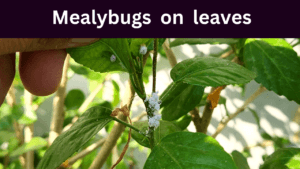
When plants are affected by pest infestations, pruning can be an effective method to manage and mitigate the damage caused by these pests. Here’s how pruning can help control pest attacks:
(i) Early intervention:
If you notice signs of pest infestation, such as chewed leaves or insect activity, it’s crucial to take action promptly.
- Initially, you can try using natural remedies like neem oil or insecticidal soaps to address the infestation. However, if the infestation has spread significantly or if the affected branches are severely damaged, pruning may be necessary.
(ii) Removing infested branches:
Pruning allows you to remove the affected branches or parts of the plant where the pests are concentrated.
- By cutting away these infested areas, you can prevent the pests from spreading to other parts of the plant or neighboring plants.
(iii) Preventing further spread:
Broken or damaged branches can attract pests and provide entry points for diseases.
- By properly pruning these damaged areas, you can reduce the risk of fungal infections or secondary pest infestations.
7. Timing of Pruning:
Pruning should ideally be done during the plant’s active growing period. Additionally, pruning winter plants during the winter season and summer plants during the summer season can minimize stress on the plant and promote optimal growth.
Conclusion
It is important to note that while pruning can help control pest attacks, it should be done judiciously to avoid causing further harm to the plant. Using sharp, clean pruning tools and making proper cuts can minimize the risk of infection and ensure the best outcomes for plant health and pest management. Regular monitoring and maintenance practices, including pruning, are essential components of integrated pest management strategies to keep plants healthy and thriving.
By reading this you will understand why pruning is important. It was all about pruning.
Enjoy gardening!