


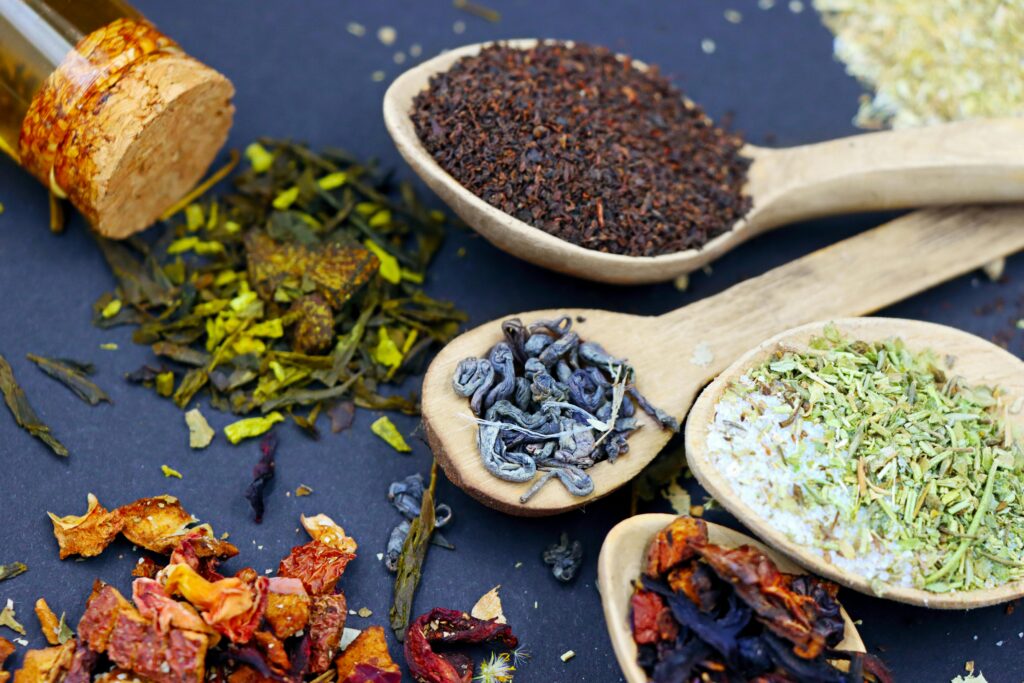
Benefits & Uses of Kitchen Items in Gardening: When we do container gardening, it’s important to feed our plants with organic fertilizers only. These fertilizers not only improve the health of the plants but also keep the potting soil nutrient-rich for a long time.

But did you know that some kitchen ingredients we use in our daily diets are also very beneficial for our gardens and plants? Following these tips correctly can help protect our plants from certain diseases and pests and improve their growth.
Our gardening expert, Mrs. Sudeepti Bajpai (founder of Voice of plant Website and YouTube channel), has shared some important insights on various kitchen items — their myths and benefits.
She has tested all these items on plants and then shared her observations on whether you should use them in gardening or not. So, let’s get started!


This is the second part of Benefits & Uses of Kitchen Items in Gardening. You can read first part here.
1. Garlic (Lehsun)
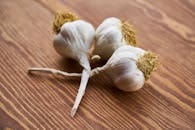

Garlic is often used in gardening as a natural way to repel insects.
- To make a garlic-based spray, crush the garlic, boil it in water, and prepare a concentrated solution.
- This can then be mixed with neem oil and a mild soap to enhance its effectiveness before applying it to plants.
While this mixture can have a generally positive effect on plant health, it’s not particularly effective against visible pests like aphids, mealybugs, or against plant diseases, fungal infections or mildew.
- However, it can be used as a preventive measure to support plant immunity and keep minor pests at bay.
2. Cinnamon (Daalchini)


Cinnamon has various uses in gardening. It’s commonly used as a natural fungicide, an ant repellent, and even as a rooting hormone for plant cuttings.
- When dealing with fungal infections, sprinkling cinnamon powder directly on the affected area can help eliminate the fungus.
- It can also be used as a spray—boil cinnamon in water, let it cool, and apply it to the plant.
Cinnamon can be effective in repelling ants if used early, when the infestation is just beginning. However, if ants have already spread extensively, its effectiveness may be limited.
As for its role as a rooting hormone, cinnamon is often used when planting cuttings.
- While it may help slightly, it doesn’t significantly influence root development.
- Healthy cuttings will likely root on their own, even without cinnamon.
3. Milk


Milk is used in several ways in gardening. One common practice is mixing milk with water and using it to clean the leaves of indoor plants like rubber plants, aglaonema, and peace lilies—this gives the leaves a nice, healthy shine.
Act as a natural fungicide
- It’s also known to help combat powdery mildew; when sprayed on the affected areas in the early stages, it can significantly reduce the infection.
Used as a calcium supplement for plants
- Additionally, milk can serve as a mild calcium supplement for plants.
- When diluted properly, it can be added to the soil or sprayed on leaves to help address calcium deficiencies.
Some gardeners also use milk to promote the growth of vegetable plants or to restore shine to dull leaves.
Note:
- However, it’s important to note that cleaning leaves with plain water often yields similar visual results, and the effect of milk is more noticeable when powdery mildew is in its early stages.
- For this purpose, mix milk with 70% water and spray it daily for 4–5 days. It tends to be more effective on foliage plants than on flowering ones.
Overall, milk can be a useful natural remedy in the garden, especially for leaf care, mildew control, and calcium supplementation.
4. Tea and Coffee

Tea and coffee are naturally acidic, making them useful for helping maintain the pH balance of flowering plants—especially since their soil pH often fluctuates.
If a plant appears healthy and all other conditions like sunlight, watering, and care are properly met, but it’s still not flowering, tea or coffee grounds can be a helpful boost.
Simply loosen the soil, add a small amount of tea leaves or coffee grounds, cover it back with soil and water the plant.
- Within a week, you may start to see new blooms—provided all other growing conditions are in check. This makes tea and coffee a very effective and beneficial ingredient in gardening.
5. Buttermilk

Buttermilk works like magic when it comes to the growth of curry leaf plants.
Acts as a mild calcium supplement
- Being naturally acidic, it helps maintain the pH level of flowering plants and also acts as a mild calcium supplement.
Also, prevent plants from pests
- Additionally, spraying buttermilk on plants can help prevent pest and insect infestations.
Used to treat leaf curl
- It’s also effective in treating leaf curl problems and serves as a good natural decomposer.
How to use::
- For curry leaf plants, mix one-fourth part of buttermilk with water, add it to the soil, and spray it on the leaves. This not only boosts the plant’s aroma but also supports its overall health.
- When used for flowering plants, applying buttermilk every 10–15 days can help maintain consistent blooming, although it may not revive a plant whose growth has completely stopped.
As a decomposer, buttermilk is useful—but not essential. Fertilizers can still be prepared effectively without it.
Click here to read: Part 1 of Benefits & Uses of Kitchen Items in Gardening
————————
Follow our Social media channel:
1. Voice of Plant – YouTube Channel
2. Voice of Plant Facebook Page
3. Instagram Voice of Plant Channel
Watch video on this topic
