

Benefits & Uses of Kitchen Items in Gardening: As we all know, our kitchens are full of products primarily meant for cooking. However, many of these ingredients serve multiple purposes—some act as home remedies, others work as whitening agents for laundry, and several find surprising uses in gardening.
You might not be too surprised to learn that various kitchen items can be incredibly helpful in maintaining a garden. Interestingly, these products can be grouped into three categories based on their relevance to gardening:
- some are highly beneficial and frequently used
- Others have limited but occasional utility
- while certain items should be kept completely away from garden spaces


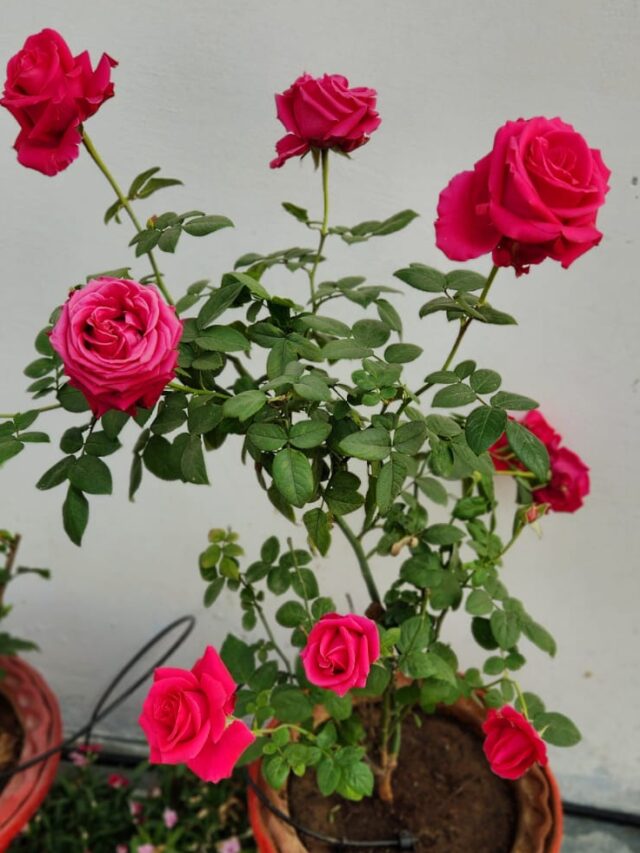
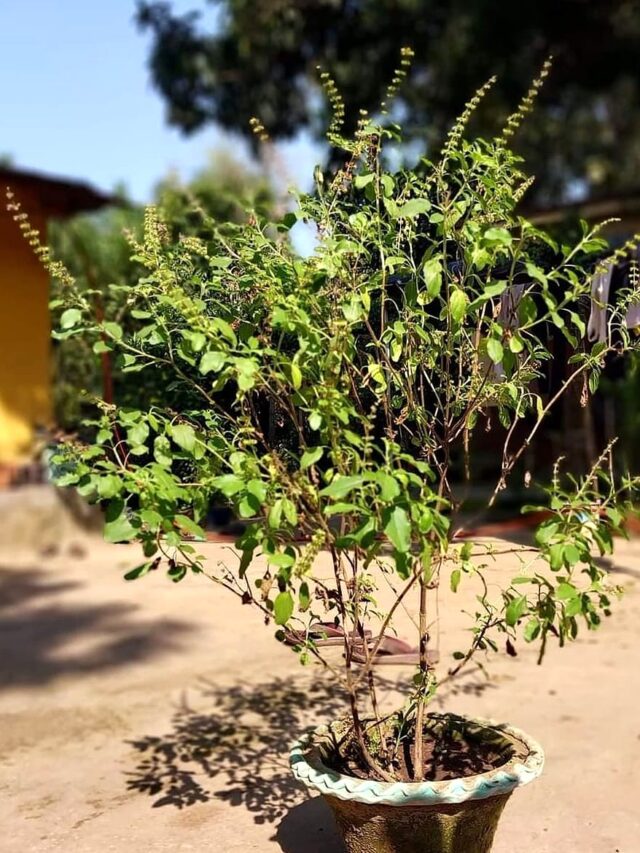
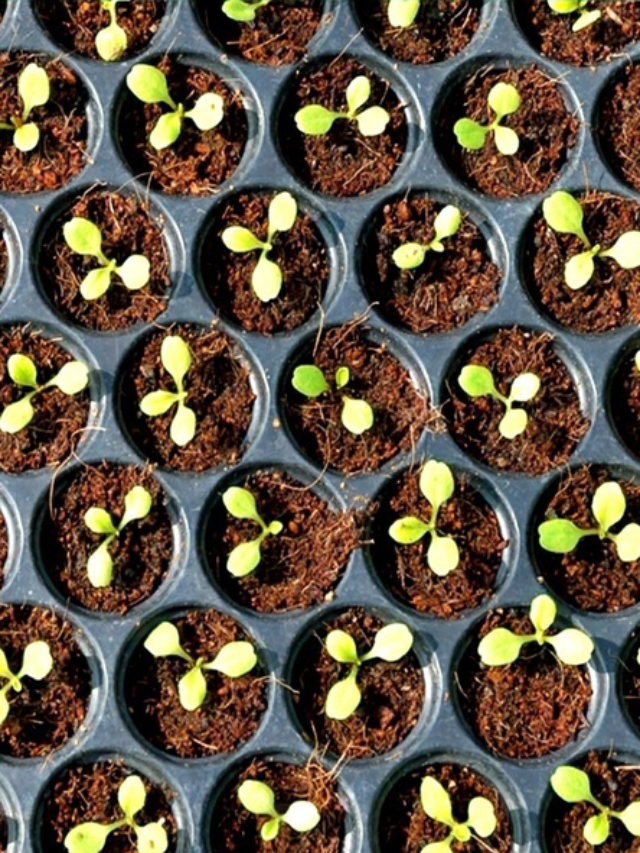
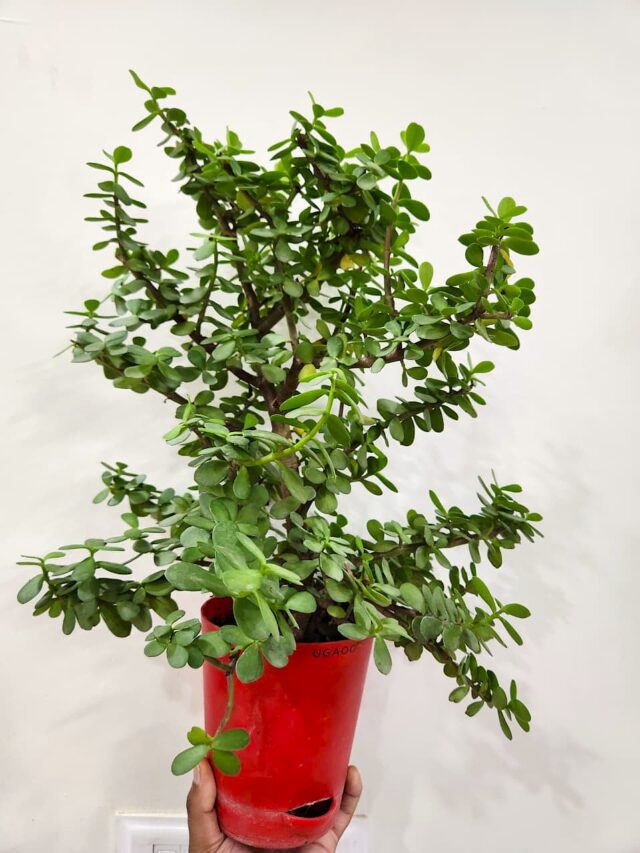
Our gardening expert, Mrs. Sudeepti Bajpai (founder of Voice of plant Website and YouTube channel), has shared some important insights on various kitchen items — their myths and benefits. She has tested all these items on plants and then shared her observations on whether you should use them in gardening or not.
Let’s explore the role of these kitchen products in gardening, starting from the least important to the most essential.
Benefits & Uses of Kitchen Items in Gardening
1. Salt

Salt—whether it’s rock salt, table salt, or plain white salt—is not recommended for plants.
Some people mistakenly add it to the soil or spray it on plants after diluting it in water, which often results in damaging or even killing the plants.
- Salt should never be added to the soil or sprayed on leaves or flowers.
This confusion often arises due to the similarity in name between regular salt and Epsom salt.
Unlike edible salts, Epsom salt is a mineral compound (magnesium sulfate) that is beneficial for plant growth.
Note:
- It is not the same as sendha namak (rock salt) or any other edible salt.
Unfortunately, many people mix them up and end up using the wrong type of salt in gardening, which can seriously harm the plants instead of helping them.
2. RO Purifier Waste water
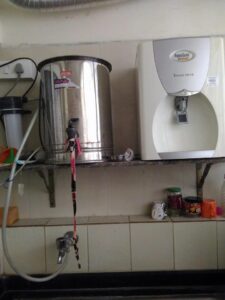

Many people collect the leftover water from their water purifiers, thinking it’s a great way to avoid waste and reuse it for watering plants. However, this water typically has a very high TDS (Total Dissolved Solids) and contains an excess amount of minerals like calcium.
- When calcium levels are too high, it interferes with the plant’s ability to absorb other essential nutrients, leading to imbalanced growth.
Note:
- This leftover water is essentially hard water and lacks the balanced mineral composition that plants need.
- If using for longer period it can cause noticeable issues over time—plant growth may slow or stop altogether, a white powdery residue may appear on the soil or pots, and the leaves might lose their shine, start fading, or show signs of distress.
Note:
- If the natural water in your area has a low TDS and is generally of good quality, you can use purifier wastewater cautiously.
But observe your plants closely—if they begin to show any of the symptoms mentioned within a month or two, it’s best to stop using that water altogether.
3. Turmeric (Haldi)
Turmeric is often recommended as a natural remedy to repel pests and insects in plants.
A small pinch of turmeric can be mixed into the soil while preparing the potting mix or sprinkled into the loosened soil if you notice ants or other pests around the plant. However, some gardeners have reported that their plants were damaged after using turmeric.
There could be two main reasons for this.
1. First, turmeric is quite potent.
- While experienced gardeners may know how to use it effectively, beginners should be cautious and only use it in very small amounts.
- Overuse can harm the plant.
2. Second, the turmeric powder available in markets is sometimes adulterated with artificial colors and additives, which can be harmful to plants.
- To avoid this risk, it’s best to use natural, unprocessed turmeric.
- Get solid turmeric (raw haldi), grind it into powder at home, and then use it sparingly in your garden.
Note:
- Using turmeric in gardening hasn’t shown significant results in treating fungal infections or repelling insect attacks.
- However, it has proven somewhat effective in getting rid of ants.
- Beyond that, its impact on plant health or pest control appears to be minimal.
4. Rice – Pulse Water


The water used to rinse or immerse rice and pulses can be safely given to plants.
- While it may not significantly boost plant growth, it doesn’t cause any harm either.
- Importantly, it doesn’t attract ants, pests, or fungal infections, making it a practical and eco-friendly way to reuse water instead of wasting it.
5. Fitkari (Alum)
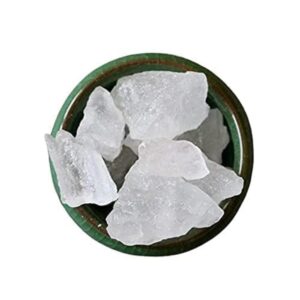

Alum is sometimes used for flowering plants to help maintain their soil pH, as the pH levels in these plants tend to fluctuate frequently.
- A small amount of alum is dissolved in water and given to the plant to help stabilize the pH.
- In some cases, this can help revive flowering and encourage blooms.
However, the results can vary—it may work well for some plants but show little to no effect on others. Since alum doesn’t have any known harmful side effects when used in moderation, it can be tried as a part of a trial-and-error approach. While it’s not a guaranteed solution, it’s a safe option worth experimenting with.
6. Jaggery (Gud)

Jaggery is commonly used while preparing homemade fertilizers or bio-enzymes for plants, but it should not be given directly to plants by simply dissolving it in water.
- Instead, it serves as a helpful ingredient during the composting or fermentation process, acting as a natural decomposer.
Note:
- It’s important to note that jaggery is not essential—fertilizers can work effectively even without it.
- If you choose to include it, limit its use to 3–4 times a year rather than with every fertilizer application.
That wraps up the first part of the role of various kitchen ingredients in gardening—their myths and their real results. Use them wisely, based on your plant’s needs and observed outcomes.
Happy Gardening !
Follow our Social media channel:
1. Voice of Plant – YouTube Channel
2. Voice of Plant Facebook Page
3. Instagram Voice of Plant Channel
Watch video on this topic
