


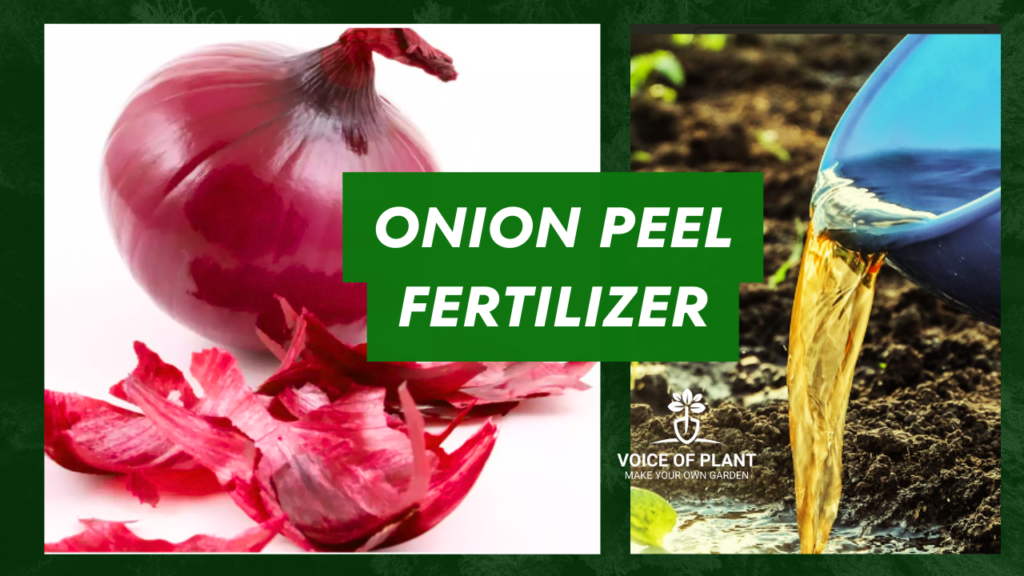
Why Onion Peel Fertilizer is best Organic Fertilizer for Plants?
People usually throw away the onion peels in the dustbin as they are not aware of its potential which can be used to fertilize the plants. Onion peels have lots of nutrients in it which are beneficial for the growth of the plants. Plus, onion peel is a natural and organic fertilizer so it does not have any side effects on the plant if used wisely. Nowadays , many farmers plus gardeners have started using it to enhance the growth and health of their plants.
So, through this article lets go through all the benefits and effects of onion peel fertilizer on the plants.


Benefits of Onion Peel Fertilizer for Plant Growth
Onion peel fertilizers have lots of benefits on the plants which are discussed below.
1. Nutrient-Rich Composition:


Onion peels are not just waste; they are a rich source of nutrients essential for plant growth.
They contain significant amounts of
- Potassium
- Phosphorus
- Calcium
- Nitrogen
- Along with trace elements like Magnesium and Sulfur.
These nutrients are vital for the development of robust root systems, lush foliage and vibrant blooms in plants.
2. Soil Enrichment and pH Regulation:


One of the primary benefits of using onion peel fertilizer is its ability to enrich the soil.
- When incorporated into the soil, onion peels gradually decompose, releasing nutrients that improve soil fertility.
- Additionally, onion peels have natural acidic properties, which can help regulate soil pH levels, making them suitable for plants that thrive in slightly acidic conditions, such as tomatoes, peppers, and strawberries.
3. Organic Pest Repellent:
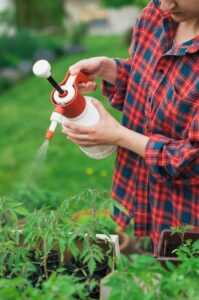

Onion peels contain compounds like quercetin and sulfur compounds, which have natural insect-repelling properties.
- When used as a mulch or incorporated into the soil, onion peel fertilizer can help deter pests and insects, reducing the need for chemical pesticides.
- This organic pest control method is particularly beneficial for protecting sensitive plants like herbs and leafy greens from common garden pests.
Also, read – How to make Onion Peel Fertilizer at Home
4. Enhanced Water Retention:
The fibrous nature of onion peels aids in improving soil structure and enhancing water retention capacity.
- By adding onion peel fertilizer to the soil, gardeners can mitigate water runoff and ensure better moisture retention, especially in sandy or fast-draining soils.
- This benefit is crucial for promoting healthy root development and reducing water stress in plants during periods of drought or hot weather.
5. Encourages flower and fruit production:


The nutrients found in onion peels play a crucial role in stimulating robust flowering and fruiting in plants, ultimately contributing to higher yields.
- These nutrients, including potassium, phosphorus, calcium, and nitrogen, among others, provide essential building blocks for plant growth and development.
(i) Potassium, for instance, is known for its role in flower and fruit formation, as well as in improving overall plant vigor and resilience to stress.


(ii) Phosphorus is essential for energy transfer within plants and is particularly important during flowering and fruiting stages, aiding in the production of seeds and fruits.
(iii) Calcium helps regulate cell division and is vital for strong cell walls, contributing to fruit quality and shelf life.
(iv) Nitrogen is essential for leaf and stem growth, ensuring that plants have the necessary resources to support abundant flowering and fruit set.


6. Sustainable and Cost-Effective:
Utilizing onion peels as fertilizer aligns with the principles of sustainable agriculture and waste reduction.
Instead of discarding onion peels as trash, repurposing them as a natural fertilizer minimizes waste and contributes to eco-friendly gardening practices. Moreover, onion peel fertilizer is cost-effective compared to commercial fertilizers, offering a budget-friendly alternative for home gardeners and small-scale farmers.
Conclusion:
In conclusion, onion peel fertilizer offers a plethora of benefits for plant growth and soil health.
- From enriching the soil with essential nutrients to repelling pests and improving water retention, onion peels are a valuable resource for sustainable gardening and agriculture.
Let’s not throw away onion peels; instead, let’s see them as a way to help our garden grow and thrive.
Happy Gardening!
FAQS
- Which are the main nutrients present in the onion peel?
Ans. Potassium, phosphorus, calcium and nitrogen are the main nutrients present in the onion peel.
2. Can we make onion peel fertilizer at home?
Ans. Yes, it can be made easily at home.
3. Does onion peel fertilizer also work as insect repellent?
Ans. Yes , it has quercetin and sulfur compounds in it , which have insect repelling properties.
4.What is the shelf life of liquid onion peel fertilizer?
Ans. Liquid onion peel fertilizer can be stored in a sealed container or in refrigerator for 10-15 days.