


Rose Problem & Care
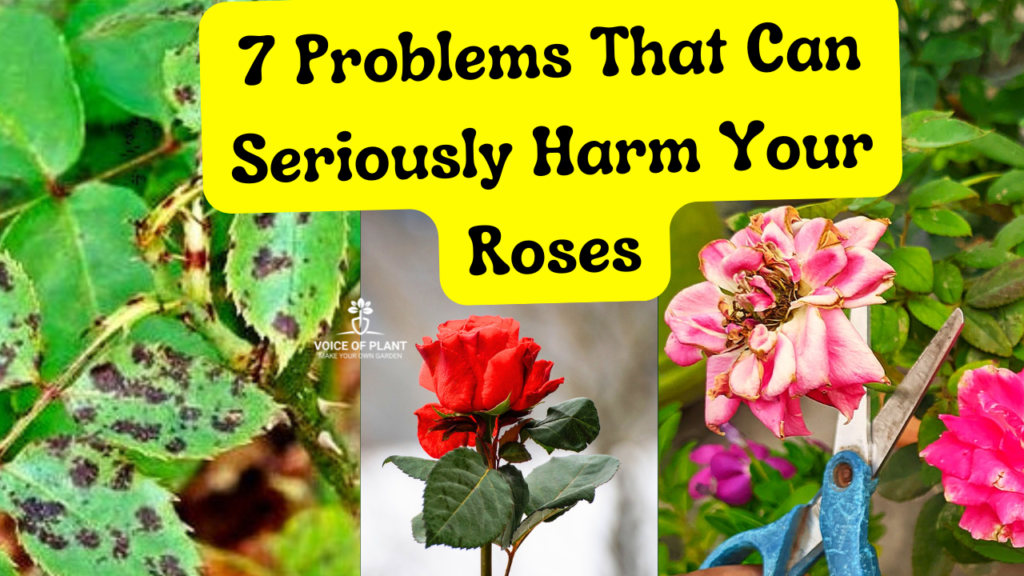
Roses are the crown jewel of any garden, but keeping them healthy and vibrant is no easy task. From fungal diseases to sneaky pests, roses are vulnerable to various problems that can hinder their beauty and growth. In this guide, we’ll explore seven major problems that can seriously harm your roses and provide actionable solutions to tackle them.


Rose Problem & Care
1. Powdery Mildew
Powdery mildew is a common fungal disease that plagues roses, especially in warm, humid conditions. It’s characterized by a white, powdery coating on the leaves, stems, and even flower buds. This disease can stunt growth and weaken your plant over time.
Causes and Contributing Factors: Powdery mildew thrives in environments with poor air circulation and high humidity. Overwatering and overhead watering can also increase the risk.
Prevention and Treatment:
- Ensure proper spacing between rose plants for better air circulation.
- Use fungicides designed to combat powdery mildew.
- Prune infected parts immediately and dispose of them to prevent further spread.
- Avoid wetting the foliage during watering.
2. Black Spot
Black spot is another notorious fungal disease that manifests as dark, circular spots on rose leaves. These spots are often surrounded by a yellow halo, and as the disease progresses, affected leaves fall off, weakening the plant.
Causes: Black spot thrives in wet and humid conditions, especially when water splashes onto leaves.
Prevention and Treatment:
- Water roses at the base to avoid wetting leaves.
- Apply fungicides regularly during the growing season.
- Remove and destroy infected leaves promptly.
- Mulch around the base of the plant to prevent fungal spores from splashing onto the foliage.
Click here to read:
How to Treat Black Spot on Rose Leaves
3. Aphids attack in Rose plant
Aphids are small, pear-shaped insects that suck the sap from rose stems, leaves, and buds. They can multiply rapidly, weakening your roses and causing distorted growth.
Recognizing Aphid Infestations: Look for clusters of tiny green, yellow, or black insects on new growth. Sticky residue or a sooty mold may also appear due to their secretions.
Control Methods:
- Use a strong jet of water to dislodge aphids from your plants.
- Introduce beneficial insects like ladybugs and lacewings, which prey on aphids.
- Apply insecticidal soaps or neem oil as needed.
4. Spider Mites disease in Rose plant
Spider mites are minuscule pests that can wreak havoc on your roses, causing yellowing, stippling, and webbing on the leaves. These pests are especially problematic during hot, dry weather.
Detection: Inspect the undersides of leaves for tiny red or green mites and fine webbing.
Control Options:
- Increase humidity around your roses to deter spider mites.
- Spray the plant with a mixture of water and insecticidal soap.
- In severe cases, use miticides specifically formulated for spider mites.
5. Rose Thrips problem
Thrips are tiny, slender insects that feed on rose buds and flowers, causing discolored, distorted blooms. Their feeding can also leave behind silvery streaks on petals.
Spotting Thrips Damage: Look for buds that fail to open properly or flowers with brown edges and discolored petals.
Management Strategies:
- Remove and discard heavily infested buds and flowers.
- Use sticky traps to monitor and reduce thrips populations.
- Apply insecticides like spinosad or neem oil if necessary.
6. Rose Dieback problem
Dieback is a condition where rose canes gradually wither and die back from the tips. It’s often caused by improper pruning, fungal infections, or environmental stress.
Symptoms: Brown or blackened stems that appear brittle and lifeless.
Prevention and Treatment:
- Always use clean, sharp tools when pruning.
- Seal pruning cuts with a pruning sealer to prevent infections.
- Remove and dispose of affected canes.
- Keep roses well-watered and fertilized to maintain their health.
Click here to read:
Rose Dieback problem and solutions
7. Leaf Curl
Leaf curl can result from various issues, including pest infestations, nutrient deficiencies, or viral infections. Curled, distorted leaves are often the first sign of trouble.
Causes: Common culprits include aphids, fungal diseases, or poor watering practices.
Solutions:
- Address pest issues promptly by using insecticidal soaps or natural predators.
- Ensure your roses receive adequate nutrients by fertilizing regularly.
- Avoid overwatering or underwatering, as both can stress the plant and lead to leaf curl.
Conclusion
Roses are undoubtedly worth the effort, but they demand attention and care to thrive. By identifying these seven common problems—powdery mildew, black spot, aphids, spider mites, thrips, dieback, and leaf curl—you can take proactive steps to keep your roses healthy and flourishing. Regular inspection, proper watering, and timely treatment will ensure your garden remains a vibrant oasis of roses.
Follow our Social media channel:
2. Voice of Plant Facebook Page
3. Instagram Voice of Plant Channel
Happy Gardening!