


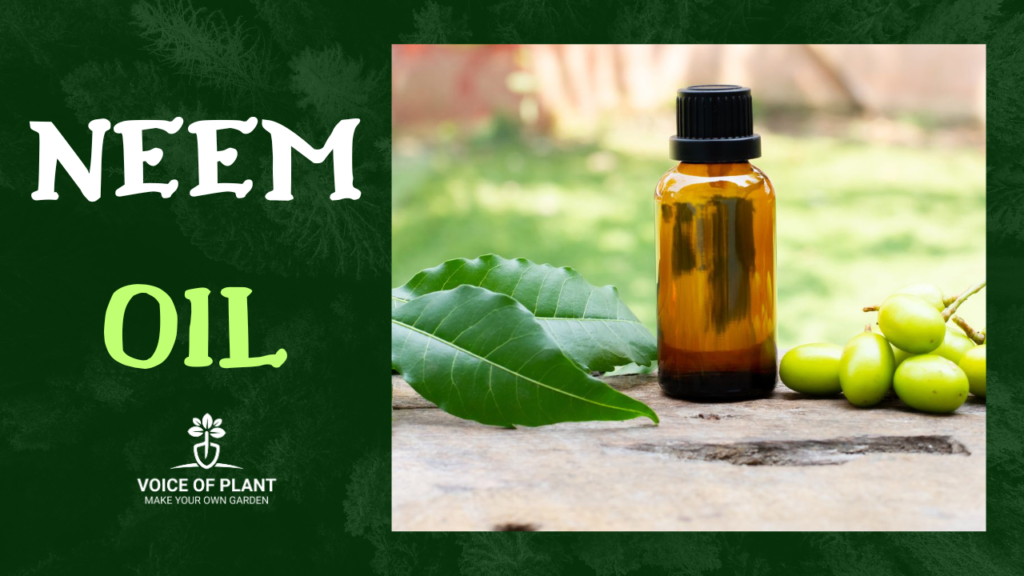
Neem oil is indeed known for its versatility in gardening. It is considered relatively safe for plants when used appropriately, and it is often used in organic gardening.
It serves as a natural pesticide, helping to repel various insects such as mealybug, aphids, spider mites, whiteflies, leaf miners, beetles, etc. Additionally, neem oil is effective in treating fungal infections in plants.


The oil, derived from the neem tree’s seeds (Azadirachta indica), is recognized for its organic insect-repellent properties and antifungal characteristics. Furthermore, it acts as a natural fertilizer, promoting healthy plant growth. It is important to follow recommended application guidelines to ensure its effectiveness without causing harm.
In this article, we explore how neem oil can do many helpful things when mixed with different ingredients.
What is Neem Oil?
Neem oil is produced by crushing the kernels found within the seeds commonly referred to as “nibor”, of the bitter neem tree.


- The byproduct, neem cake, is also obtained during this process and is used in gardening. It is true that the neem oil produced through this method is considered pure and potent, but it should not be applied directly to plants undiluted as its strength may harm them.
- Neem oil produced by companies is often formulated with emulsifiers to make it water-soluble and suitable for plant application.
Why Neem Oil is preferred as Insect Repellent?
When it comes to keeping insects away, there are many insect-killing products available in the market, nursery, and online, but not all of them are safe for edible plants like tomatoes, coriander, curry leaf, tulsi, etc. Treating these plants with regular insect killers may make them unsafe to eat.
On the other hand, neem oil is organic and safe for plants. It doesn’t pose a risk of contaminating the vegetables you plan to eat.
Always use Water-Soluble Neem Oil
When using neem oil for plants, it’s important to ensure that you’re using a water-soluble formulation. Here are some key points to consider:
1. Water-Soluble Neem Oil:
- Look for neem oil products that are specifically labeled as water-soluble. These formulations are designed to easily mix with water, ensuring proper dispersion and effectiveness when applied to plants.
2. Ease of Application:
- Water-soluble neem oil can be conveniently mixed with water in a sprayer or watering can, making it easy to apply to plants as a foliar spray or soil drench.
3. Reduced Residue:
- Water-soluble neem oil leaves minimal residue on plant surfaces, reducing the risk of buildup and potential phytotoxicity. This ensures that plants remain healthy and free from unsightly residues.
How to use Neem oil in gardening?
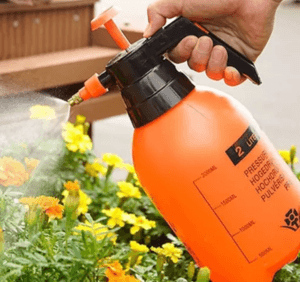

For the best results, it is recommended to spray neem oil in the evening. This is to avoid potential leaf burn because some plants treated with neem oil can be sensitive to sunlight.
In the daytime, plants use sunlight for photosynthesis to make their food. Neem oil can block the pores of leaves, which might interfere with this process.
Additionally, it’s a good idea to thoroughly wash your plants with water the next day before exposing them to sunlight.
“So, always spray neem oil during the evening to ensure it works effectively without harming your plants.”
Benefits and Uses of Neem Oil for Plants
1. As a Safeguard
- Even if you don’t see any visible insects on your plants, you can use neem oil preventively once a month.
- Mix 2.5 ml of neem oil with 1 liter of water and thoroughly spray the solution on the plants. This acts as a safeguard against potential pest issues.
2. As an Insect Repellent
a. Heavy Infestation of Insects:
- If your plant is heavily infested with insects, consider relocating it to prevent the potential impact on nearby plants.
- Conduct a thorough hard pruning by removing all infected branches.
- Keep the plant in the shade and then spray neem oil as a protective measure.
b. Mild Attack of Insects:
- When insects mildly infest leaves, buds, or branches, isolate the affected plant from others.
- Promptly remove any visible insects, wash the plant thoroughly with clean water to eliminate remaining insects or their eggs, and remove dust from the plant.
- Ensure a clean surface before applying neem oil, as it may not be as effective on plants covered with dust.
How to use Neem Oil to protect Plants from Pest Attacks
1. For the Insect-Infested Plant:
- Dilute 5 ml of neem oil in one liter of water and spray it on all parts of the plant.
2. Follow this schedule for effective insect removal:
-
- Day 1: In the evening, spray the prepared solution on the plant.
- Day 2: In the morning, wash the plant properly with clean water, and in the evening, spray neem oil again following the same procedure as Day 1.
- Day 3: Wash the plant again with clean water and observe whether the plant’s condition is improving or not.
Happy Gardening!