


How to Revive a Rotted Snake Plant?
Snake plants, known for their striking appearance and low maintenance needs, are popular among houseplant enthusiasts. But like all plants, they require proper care to thrive. When neglected, they can suffer from root rot, which poses a significant threat to their health. When your Snake plant starts showing signs of distress, it’s time to act.


In this guide, we’ll delve into the steps and tips on how to revive a rotted snake plant, ensuring it returns to its former glory.



Signs of a Rotted Snake Plant
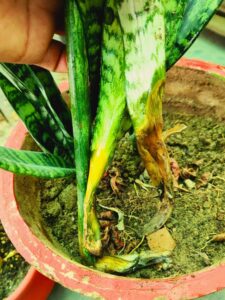
Root rot is a common issue for many houseplants, and snake plants are no exception. Recognizing the early signs is crucial for a successful revival. Key symptoms include:
1. Yellowing Leaves:
- If the lower leaves are turning yellow, it could be a sign of overwatering or poor root health.
2. Soft or Mushy Stems:
- Healthy snake plant stems are firm to the touch. Mushy or soft stems indicate rot.
3. Stunted Growth:
- When roots are rotting, the plant struggles to absorb nutrients, leading to slowed growth.
Causes of Root Rot of Snake Plant
1. Overwatering
The biggest reason for the root rot of Snake plant is most of the time is overwatering.
- Snake plants are drought-tolerant and prefer to dry out between waterings.
- Consistently wet soil can suffocate the roots, leading to rot.
Check this- How to Avoid Overwatering in Plants
2. Poor Drainage
Using pots without drainage holes or heavy, compacted soil can cause water to pool at the roots, creating ideal conditions for rot.
3. Using Poor Soil Mix
Low-quality soil that retains too much moisture can contribute to root rot.
- Using a well-draining soil mix is essential for preventing rot.
- Always use sandy mixture soil.
Check this: Snake Plant Complete Care Tips
Immediate Steps to Take
1. Isolate the affected plant
The first step is to isolate the affected plant from others to prevent the potential spread of any pathogens.
2. Inspect the roots
Carefully remove the plant from its pot and inspect the roots. Healthy roots are white or light tan and firm. Rotted roots appear brown or black and mushy.
How to Revive a Rotted Snake Plant
1. Stop Watering immediately
The primary cause of root rot in snake plants is often overwatering. Therefore, it is crucial to stop watering immediately.
2. Remove infected parts


If you have a snake plant whose leaves started decaying then first of all remove all the infected parts which are rotting.
- With clean scissors or pruning shears, trim away all the rotted roots. If necessary, remove rotted parts of the stem as well.
3. Use Fungicide or Cinnamon Powder
Spray cinnamon powder or fungicide on the cut to prevent fungi from growing.
4. Repot Your Snake Plant


Repot your Snake plant in a sandy soil mixture. Cactus or succulent soil mixes are ideal as they prevent water retention.
- Always prefer small pots for Snake plants.
5. Keep in a direct or indirect light area
Now, keep it in any corner with a medium or bright light (not in direct sunlight).
- Snake plants thrive in bright, indirect light.
- However, they can also tolerate low-light conditions. Avoid placing them in direct sunlight, which can scorch the leaves.
6. Do not feed with any fertilizer or water
At this stage, avoid giving any fertilizer and water.
7. Do not disturb for some days
Just keep it for some days undisturbed and it will start recovering on its own.
Preventing Future Rot
1. Proper Watering: Allow the soil to dry out between waterings.
2. Good Drainage: Always use pots with drainage holes.
3. Soil Quality: Use well-draining soil mixes.
4. Monitoring: Regularly check the soil moisture and the overall health of your plant. Early detection of issues can prevent severe damage.
Conclusion
Reviving a rotted snake plant may seem daunting, but with the right steps, it’s entirely possible. By identifying the signs early, addressing the causes, and following a structured approach to care, you can bring your snake plant back to health.
Remember, the key lies in proper watering, good drainage, and regular monitoring. With patience and diligence, your snake plant will once again become a thriving, vibrant part of your indoor garden.
Follow our Social media channel:
1. Voice of Plant – YouTube Channel
2. Voice of Plant Facebook Page
3. Instagram Voice of Plant Channel
Happy Gardening!