


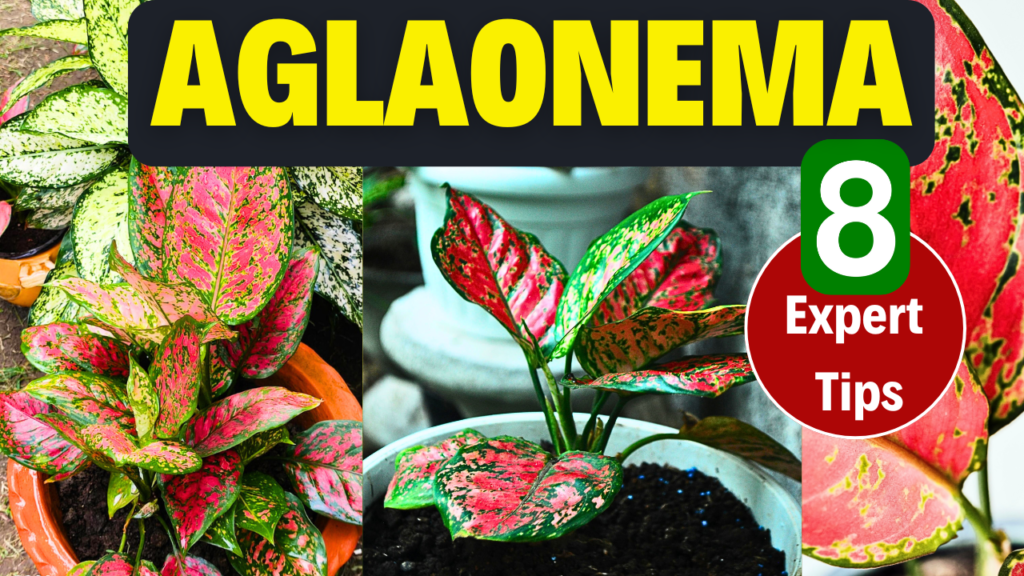
The Aglaonema plant, also known as the Lipstick or Chinese Evergreen, is a beautiful indoor plant. It symbolizes peace, vibrancy, beauty, and love. Its leaves are beautiful and colorful, allowing it to thrive even in low light and minimal care.
Aglaonema cleans and purifies the air. People love keeping it in their bedrooms and living rooms to breathe fresh air.
Every plant requires different care and attention to thrive, and Aglaonema does too.
In this article, we’ll explore all the essential needs of this plant to keep it lush and healthy.
How to make Aglaonema bushy
1. Select a healthy plant from nursery
For a bushier Aglaonema, start by selecting a healthy plant with 3-4 pups from the nursery.
2. Sunlight
Place the plant in a spot where it receives gentle morning sunlight, which helps in the development of new pups.
- Position it in bright or medium sunlight.
- When exposed to sunlight, it produces delightful white flowers.
3. Pot size
Opt for a smaller pot, as this can stimulate quicker pup growth due to the confined space encouraging the plant to spread out.
- A pot size of 6-8 inches is generally adequate, with clay pots being the preferred choice.
4. Optimal watering
Water your aglaonema plant when the upper inch of soil becomes dry.
- The leaves will show signs of wilting when the plant is in need of water.
- Ensure thorough watering until water starts draining from the pot’s drainage holes, but be cautious to avoid overwatering.
5. Strategic Pruning
Regularly trim any long or thin stems.
- This allows the plant to focus on growing new, thicker shoots, leading to a fuller and more compact shape.
6. Consistent Rotation
Ensure your Aglaonema gets light evenly by rotating the pot every couple of weeks.
- This simple habit prevents uneven growth and promotes a symmetrical, bushier form.
7. Smart Fertilization
During the active growing months (spring and summer), feed your Aglaonema with a balanced liquid fertilizer every 4-6 weeks.
- Groundnut cake and onion peel liquid fertilizer are effective fertilizers.
- Fertilize sparingly, especially avoiding the scorching summer months and the winter season.
- This nutrient boost encourages vibrant, new growth and keeps the plant lush.
8. Choosing the Right Soil
For healthy growth, use a well-draining potting mix.
- A blend that includes compost, coco peat, sand and standard potting soil works best, as it prevents water from sitting around the roots, which could stunt growth.
Following these practices will help your Aglaonema develop into a lush, bushy plant that’s both healthy and attractive.
Follow our Social media channel:
1. Voice of Plant – YouTube Channel
2. Voice of Plant Facebook Page
3. Instagram Voice of Plant Channel
Happy gardening!
FAQs
- What type of sunlight is sufficient for the Aglaonema plant?
Ans. Aglaonema plants need bright or medium sunlight to thrive well.
2. When should we water the Aglaonema plant?
Ans. Water the plant only when the top one inch of soil feels dry.
3. What kind of pot is ideal for Aglaonema plants?
Ans. A pot size of 6–8 inches is usually sufficient and clay pots are generally the best option.
4. Name the fertilizers which can be used for Aglaonema plants.
Ans. Groundnut cake fertilizer and liquid onion peel fertilizer can be used to fertilize the Aglaonema plants.