


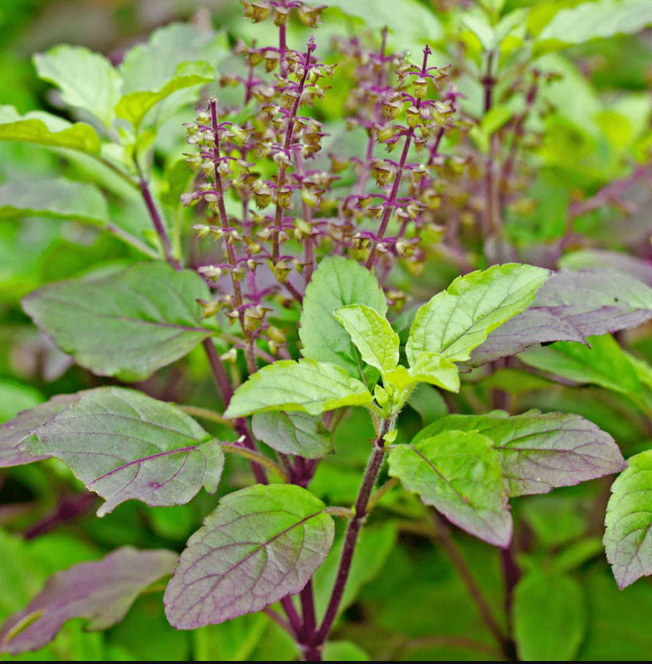
Tulsi, also known as Holy Basil, Vrinda, Vaishnavi, among other names, is a popular perennial plant in many regions. Despite careful attention, it may sometimes dry out, particularly in winter.
We need to take certain steps to keep our plants healthy. Let’s discuss each point one by one.


How to grow and care Tulsi plant (Holy basil)
Here are some tips on how to care for a Tulsi plant:
1. Location of Tulsi plant or Temperature for Tulsi plant
Tulsi plants thrive in full sunlight. Choose a spot in your garden or balcony where the plant can receive at least 6-8 hours of sunlight daily.
Important to note:
(i) During the winter season when temperatures drop to 15℃-16℃, Tulsi leaves may start to dry out.
(ii) Conversely, in the summer when temperatures rise significantly, the leaves may become burnt, darken, and shrink in size.
(iii) In both cases, it’s advisable to provide some shade for the Tulsi plant. Keeping the plant in a shaded area can help mitigate the effects of extreme temperatures, whether they are too high or too low.
2. Soil for Tulsi plant


- Tulsi prefers well-draining soil rich in organic matter. A mix of garden soil and compost works well. Make sure the soil is not too compacted.
3. Pot Size for Tulsi plant


To ensure healthy growth of your Tulsi plant, use a pot that is at least 12 inches in diameter.
- Larger pots allow the roots to spread freely, preventing them from becoming tangled and ensuring efficient water absorption. This promotes overall plant health and longevity.
|
Also read: How to grow Tulsi plant from seeds |
4. Watering tips for Tulsi plant


Here are the key points to consider before watering a Tulsi plant:
1. Tulsi is a tropical plant and does not require excessive watering. The soil should be moist, not muddy. Water only when the soil is completely dry.
2. Check the soil’s moisture level by touching the surface. If the top layer is wet, the inner soil is likely moist enough, so avoid watering.
3. Before watering, loosen the soil up to 2-3 inches to ensure thorough absorption and promote aeration.
4. Water the plant in the early morning or evening to avoid water evaporation and prevent the soil from getting too hot, which can potentially harm the plant’s leaves and lead to its demise. Avoid watering during the afternoon when the sun is intense.
5. Pruning tips for Tulsi plant


Pruning is essential for maintaining the health and longevity of plants. It involves cutting back or removing overgrown or dead parts of the plant.
Regular pruning, especially during the growing season, is crucial for promoting healthy growth.
For flowering plants, pruning can be done regularly to remove spent flowers (deadheading) to encourage continuous blooming.
Important note:
- It is important to remove flowers before they mature into seeds, as this redirects the plant’s energy towards growth rather than seed production.
6. Fertilizer for Tulsi plant
For fertilizing Tulsi plants, it is generally unnecessary if proper care and watering are maintained, especially during winter.
- However, during summer, if fertilizers are used for other plants, you can use chemical-free options like “Cow-dung liquid fertilizer” or “Vermicompost” once a month. Ensure cow dung is decomposed to prevent pest issues.
7. Pesticide for Tulsi plant
As for pesticides, the need for them is rare due to Tulsi’s natural immunity. Pests may occur due to weakened immunity from over or under watering. In such cases, opt for chemical-free options like neem oil spray.
Happy Gardening!