


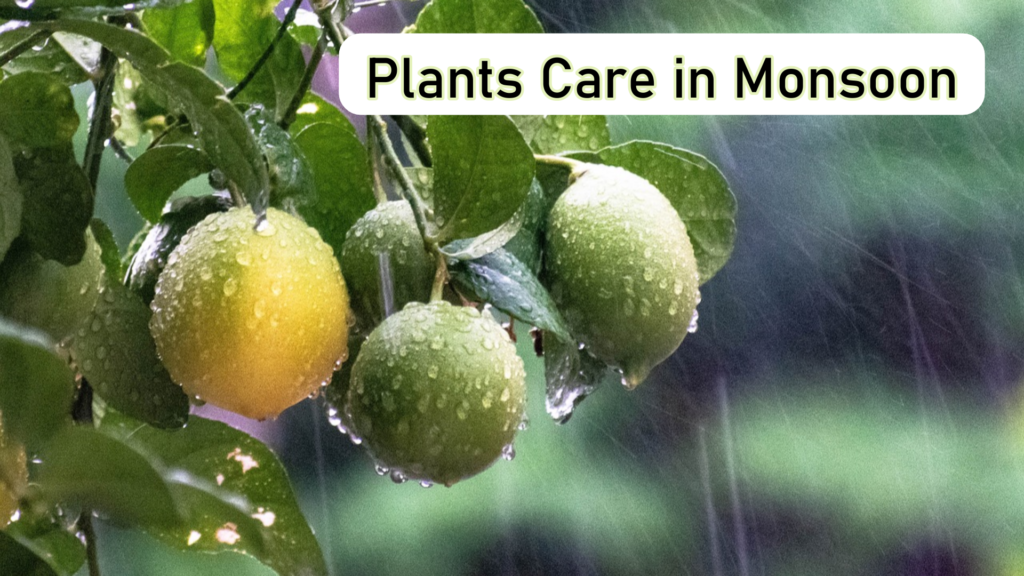
Gardening in Monsoon Season: Plants behave differently in each season, each having its advantages and disadvantages for plant growth. The rainy season is particularly beautiful and beneficial for both us and the plants, as they grow much faster compared to other seasons. However, we need to be attentive to certain aspects of plant care.


While rain itself usually poses no problems, there can be side effects afterward, such as issues with fungus, ants, and insects. Overwatering can also damage plants, causing leaves to turn yellow.
By following the small precautions outlined below, you can ensure your plants remain healthy after the rain.
Gardening in Monsoon Season
1. Shift Succulents
Shift all the succulents inside the home because succulents already have the optimum level of water stored inside them. They do not need much water like Aloe vera, Jade plants, Echeveria, etc.
2. Well-drained soil


If you are gardening directly in the ground, it’s generally fine because the soil naturally absorbs water. However, when gardening in pots, it is crucial to use well-draining soil since pots have limited water-holding capacity.
Let’s discuss what actions can be taken in this regard.
(i) Shift plants into shaded area:
If you have fewer plants say 5-6 only then you can shift them to a shaded area after showering 2-3 days of rain.
(ii) Cover your plants with a green net:
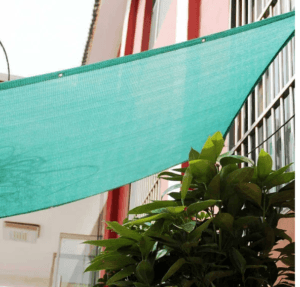

If you do not want to shift your plant then cover your plants with a green net.
- Air and water both keep on passing through this net and plants will get rain water also.
(iii) Use well-drained soil
To avoid over-watering, the soil should be well drained.
- If water is entering from the top, then it should be able to drain out from the bottom. Water should not be sustained inside the soil or pot.
3. Check the bottom hole of the pot


If water is not coming out from the bottom of the pot, then there are no benefits of well-drained soil.
- Check the functionality of the bottom hole properly, sometimes roots or any other things might get obstructed inside these holes and water would not be able to come out.
Keep watering your plant till water comes out from the bottom hole. Some people give little water on a daily basis which is actually totally wrong.
By this method, the outer soil of the pot would be moisturized but the bottom soil would become like a stone. So give water to the plant till the point water comes out from the bottom hole.


4. Fill the pot completely


Fill the soil in the pot completely. Do not leave any space on the top, normally we leave 2-3 inches of space.
- During heavy rain, water starts standing on the top of the soil and it might lead to fungus and green algae on the top of the soil.
5. Remove the bottom leaves
When filling your pot completely with soil, make sure to remove the bottom leaves of the plant.
- These leaves can come into constant contact with the wet soil, increasing the risk of infection and fungus. Removing them will help prevent these issues.
6. Remove unwanted weeds


During the monsoon, the moderate temperature causes unwanted weeds in the pots to grow rapidly.
- It is important to remove these weeds from the roots; otherwise, they will deplete the plant’s nutrients.
7. Remove the plates from the bottom of the pots
Generally, we place pots on plates to prevent staining the surface beneath them.
- However, during the rainy season, it is important to remove these plates to prevent water from accumulating and flooding the pots.
8. Raise the level of plants
During the rainy season, place plants on stands to allow water to drain easily.
- If your pots have flat bottoms or you are using gardening bags, elevate them with bricks or any other objects to raise their level.


9. Give support to your plants


During the monsoon, heavy rains are often accompanied by strong winds.
- Wet soil increases the risk of plants being uprooted, so it is important to provide them with support. This will help them remain upright even during heavy winds.
10. Fertilizer for plants
Apply neem cake fertilizer to your plants before the rain starts; it will help prevent problems like fungus and insects.
- Since rainwater contains a good amount of nitrogen, there’s no need for additional fertilizers. Plants will thrive naturally during the rainy season.
11. Fungicides and Pesticides
During the rainy season, you can use neem oil solution, neem soap solution, cinnamon powder, and cinnamon liquid solution.
- Spray your plants with a neem solution weekly to protect them from fungus and pest attacks.
Care for Indoor Plants
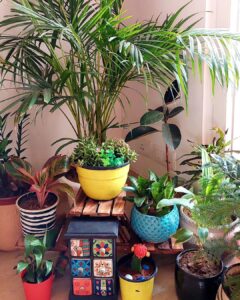

During the monsoon season, the increased moisture in the air requires careful attention to indoor plants.
You may notice that the soil of indoor plants remains wet for longer periods.
- Be cautious when watering your plants to prevent the appearance of white fungus on the soil surface.
- If you see any white fungus, simply remove it and sprinkle cinnamon powder on the affected area.
Due to the higher humidity, ensure proper ventilation for indoor plants by keeping doors and windows open.
It was all about monsoon season for plants.
=======================
Follow our Social media channel:
1. Voice of Plant – YouTube Channel
2. Voice of Plant Facebook Page
3. Instagram Voice of Plant Channel
Enjoy the Monsoon!