


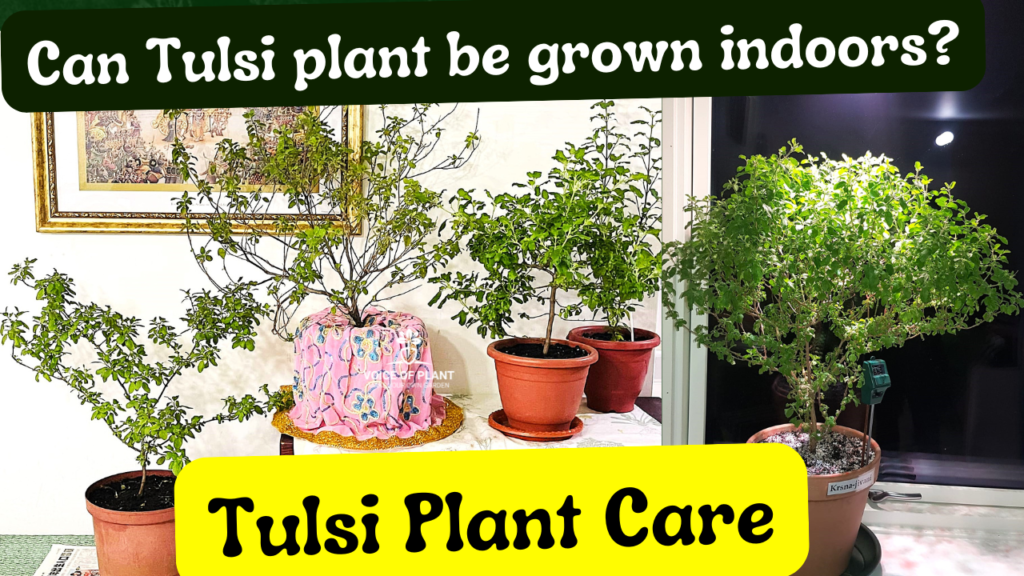
Can Tulsi Plant Be Grown Indoors
The Tulsi plant, often referred to as the “Holy Basil,” holds a revered place in Indian households for its religious and medicinal significance.
While it thrives effortlessly in the warm and tropical climates of India, many enthusiasts wonder if this sacred plant can grow indoors in cooler regions or foreign countries. The good news is that with proper care and the right conditions, growing Tulsi indoors in cooler climates is absolutely achievable.


Pic credit: FB
Understanding Tulsi’s Natural Habitat
Tulsi is a tropical plant native to India. It flourishes in warm climates with ample sunlight, temperatures between 20–35°C and moderate humidity levels.
Despite its natural preference for warm environments, the adaptability of the Tulsi plant allows it to grow indoors in cooler regions when its fundamental needs are met.
Key Factors for Growing Tulsi Indoors in Cool Climates
1. Temperature for Tulsi plant
Tulsi is highly sensitive to frost and low temperatures.
In cool places or foreign countries, maintaining an indoor temperature between 18–25°C is crucial for its survival.
- Placing the plant near a heat source during winter, but away from direct drafts or cold windows, helps ensure optimal growth.
2. Adequate Sunlight for Tulsi plant
Tulsi requires at least 5-6 hours of sunlight daily to thrive.


P.C. – FB
For indoor setups in cooler climates:
- Place the plant near a south-facing window to maximize sunlight exposure.
- Use LED grow lights if natural light is insufficient, ensuring the plant receives 12-14 hours of light per day during winter months.
3. Soil requirements for Tulsi plant
Tulsi grows best in well-draining soil that is rich in organic matter.
A mix of:
- 60% garden soil
- 20% sand or perlite
- 20% organic compost
This combination ensures proper aeration and nutrient availability, preventing waterlogging that could damage the roots.
- Loosen the soil every 15 days to improve airflow and facilitate the flow of nutrients.
- Replace the top layer of soil every two months.
4. Watering Tips for Tulsi plant


Overwatering is one of the most common mistakes when growing Tulsi indoors.
Follow these tips:
- Water the plant only when the topsoil feels dry.
- Use room-temperature water to avoid shocking the plant.
- Avoid using cold water directly from the tap.
- Ensure the pot has drainage holes to allow excess water to escape.
5. Humidity Management for Tulsi plant
Cool places often have dry indoor air, especially during winter. Tulsi prefers moderate humidity levels, which can be achieved by:
- Placing a small humidifier near the plant.
- Grouping plants together to increase the surrounding humidity.
- Misting the leaves lightly, ensuring not to overdo it, which may encourage fungal growth.
Pots and Containers: The Right Setup
1. Material Matters
- Use clay, terracotta, or plastic pots with proper drainage holes.
- Avoid heavy pots if you plan to move the plant frequently for sunlight or warmth.
- If your plant is old and need larger pot then provide a larger pot for healthy growth.
2. Size and Depth
Tulsi’s roots spread out moderately, so a pot with a diameter of at least 8–12 inches and a depth of 6–8 inches is ideal.
3. Pot Placement
Place the pot on a raised tray or stand to improve air circulation and prevent moisture buildup at the base.
Fertilizing Tulsi for Indoor Growth
Indoor Tulsi plants often require extra nutrition to compensate for the lack of natural nutrients found in outdoor soil. Use:
- Organic fertilizers like vermicompost or liquid seaweed every 4-6 weeks.
- Refrain from using harsh fertilizers such as raw kitchen waste.
- Avoid chemical fertilizers, as they may harm the plant or reduce its medicinal properties.
Pruning and Maintenance for Healthy Growth


Regular pruning keeps your Tulsi plant healthy and encourages bushier growth.
Follow these tips:
- Trim the top leaves once the plant has 4-6 sets of leaves.
- Remove yellow or dead leaves promptly.
- Pinch off flower buds if you want the plant to focus on leaf production rather than seed formation.
Protecting Tulsi from Pests and Diseases Indoors
Although indoor plants are less prone to pests, Tulsi may still attract:
- Aphids: Spray neem oil solution every two weeks.
- Fungal infections: Avoid overwatering and ensure good air circulation around the plant.
Inspect your plant regularly and address issues early to prevent significant damage.
Also, read: Tips to Care Night Blooming Jasmine Plant
Seasonal Care Tips
1. Spring and Summer:
Move the plant outdoors for fresh air and sunlight if temperatures are suitable.
2. Autumn and Winter:
Bring the plant indoors before the onset of frost, and maintain warmth with artificial lights and heating.
Conclusion
Growing Tulsi indoors in cool places or foreign countries is a rewarding endeavor when approached with care. By providing optimal temperature, light, soil, and water conditions, you can successfully nurture this sacred plant, even in challenging climates.
Whether for its spiritual significance, medicinal properties, or sheer beauty, Tulsi can transform your indoor space into a thriving green sanctuary.
Follow our Social media channel:
2. Voice of Plant Facebook Page
3. Instagram Voice of Plant Channel
Happy gardening!